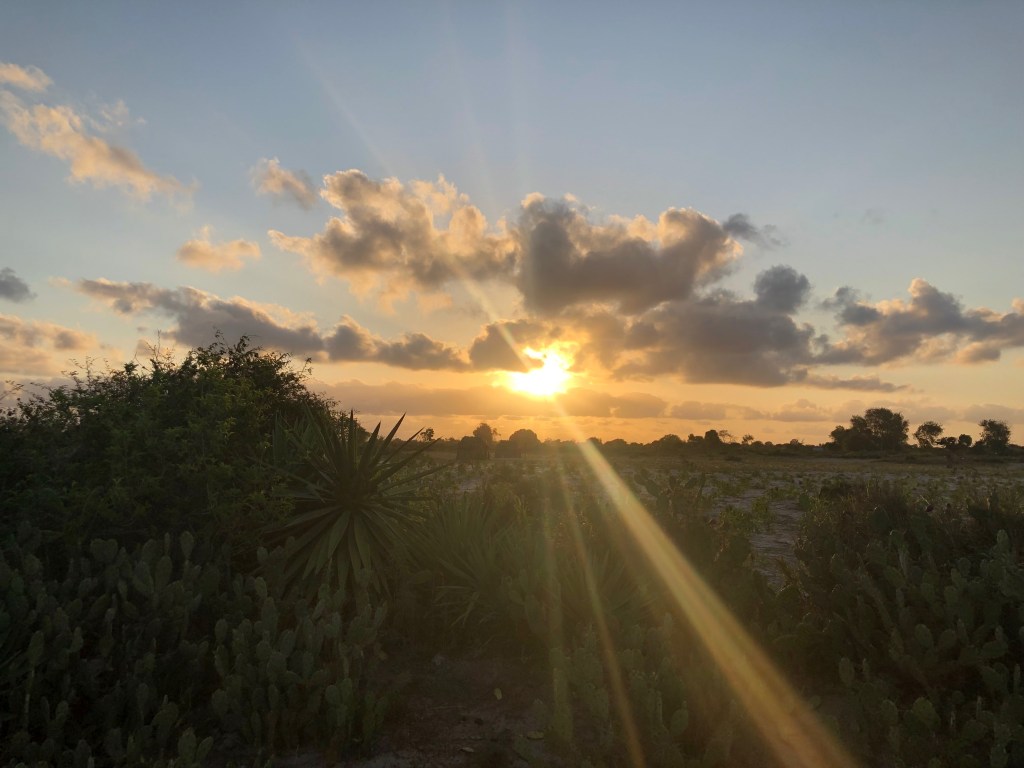
It’s almost November and summer is just kicking into gear here in the south of Madagascar. Today is 90 degrees and will be the coolest day of the week. Every afternoon the town is quiet, sleepily roasting, until about 4 pm when it starts to cool down again. Then kids come out and play basketball, foosball, and bocce ball, people mill back into the streets, and music percolates through the town again.
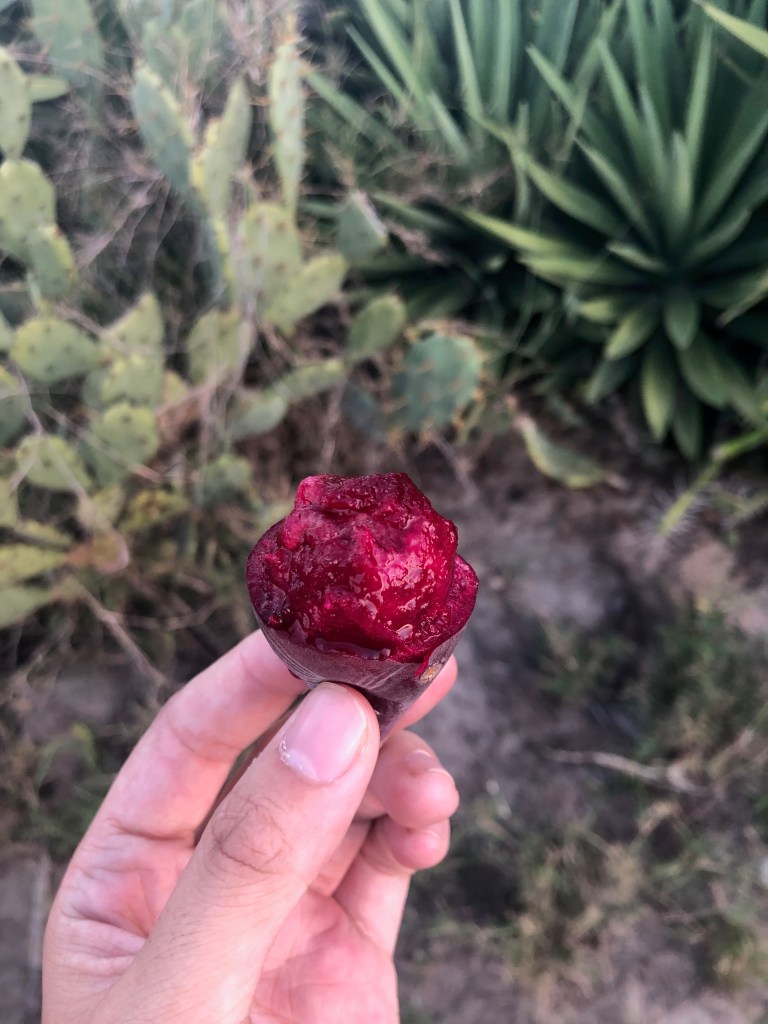
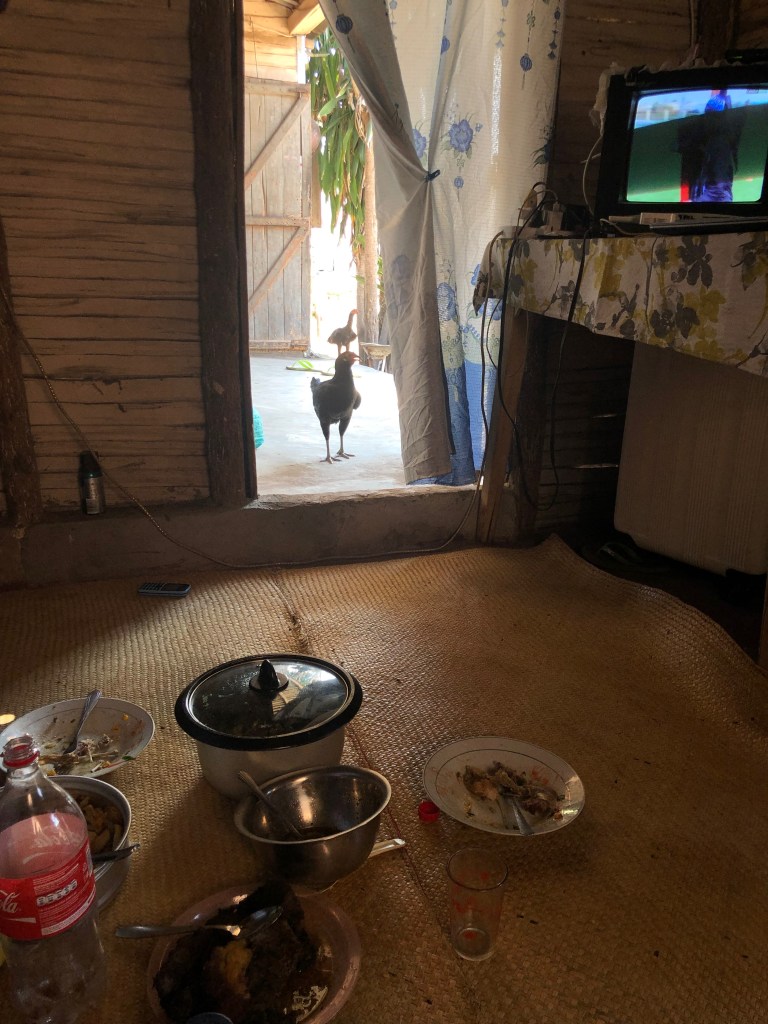
I’ve done a lot of project-related work since last writing. I’ve also done a lot of living! I’ve eaten lots of red cactus, which is tart and so good. I learned how to shop at the market by myself. I swam in the Indian ocean. I bought a chicken off the road and sort-of helped cook it. I survived travelers sickness (again…).
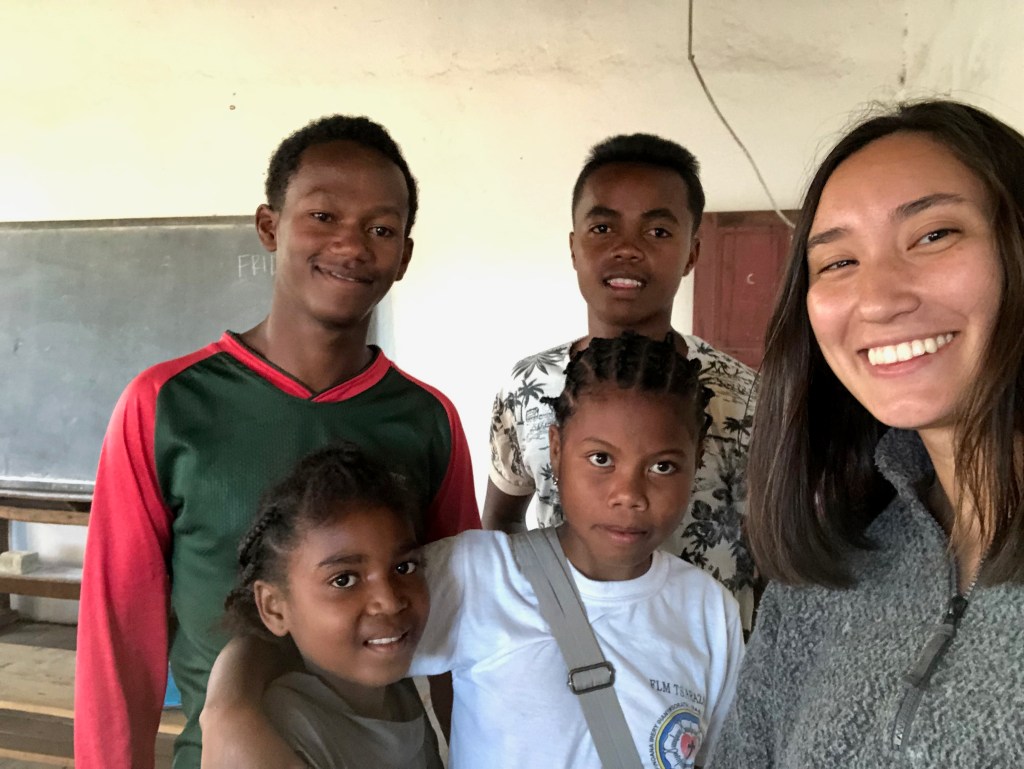
I also taught English for about a month, which was a great experience. The class was every afternoon from 4-5:30 pm, and the students ranged from 10 year old girls to 32 year old men. The people that came were some of the most dedicated learners that I have ever met. Teaching made me realize how lucky I am to know the most universal language in the world. So many people around the world work to learn English to better their opportunities. It felt great to help these people, in the south of Madagascar, a tiny bit along the way. And now I automatically have friends and people I can have simple conversations with in the street.
I also have gotten to see some amazing work.
I’ll first tell you about the seed fairs. What is a seed fair? This picture basically sums it up:
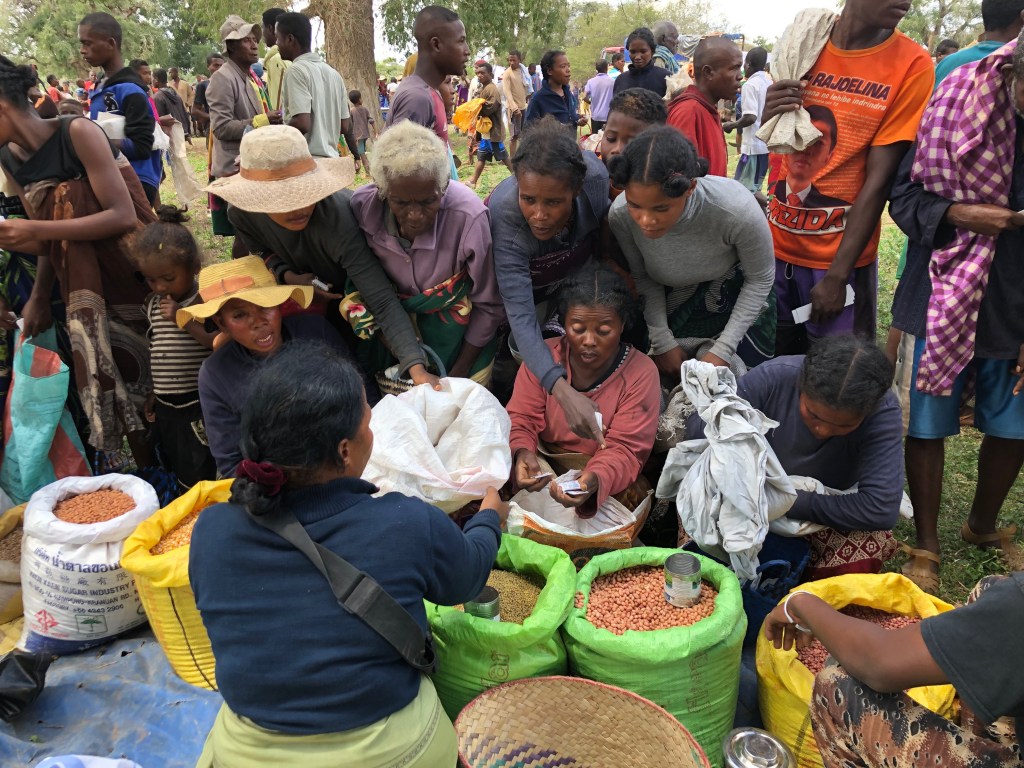
Farmers here have a tough time. Global warming is causing the climate to become even more arid, making farming here more difficult than ever before. Harvests are often small and unpredictable, and cannot sustain families through the lean seasons when little grows to sell or eat. This situation has created an “emergency” state, as hunger and malnutrition levels require immediate action.
On top of the environmental issues, markets are very difficult to reach to purchase seeds or tools that farmers need. Roads are truly terrible in the south, and transportation options are slow and also terrible. Remember the 140 mile trip that took me 8 hours by car? In a taxi-brousse, these giant cargo vans that are the only options for travel here, transportation that everyone else has to take, this trip takes anywhere from 1-1.5 days. A zebu-pulled cart might be faster, which is the main method farmers use to transport their crops to the market after they harvest.
This is why CRS hosts one-day seed fairs, which brings seeds and tools to 24 remote locations. 400 people participate in each fair, so about 9,600 people will benefit from this round of fairs.
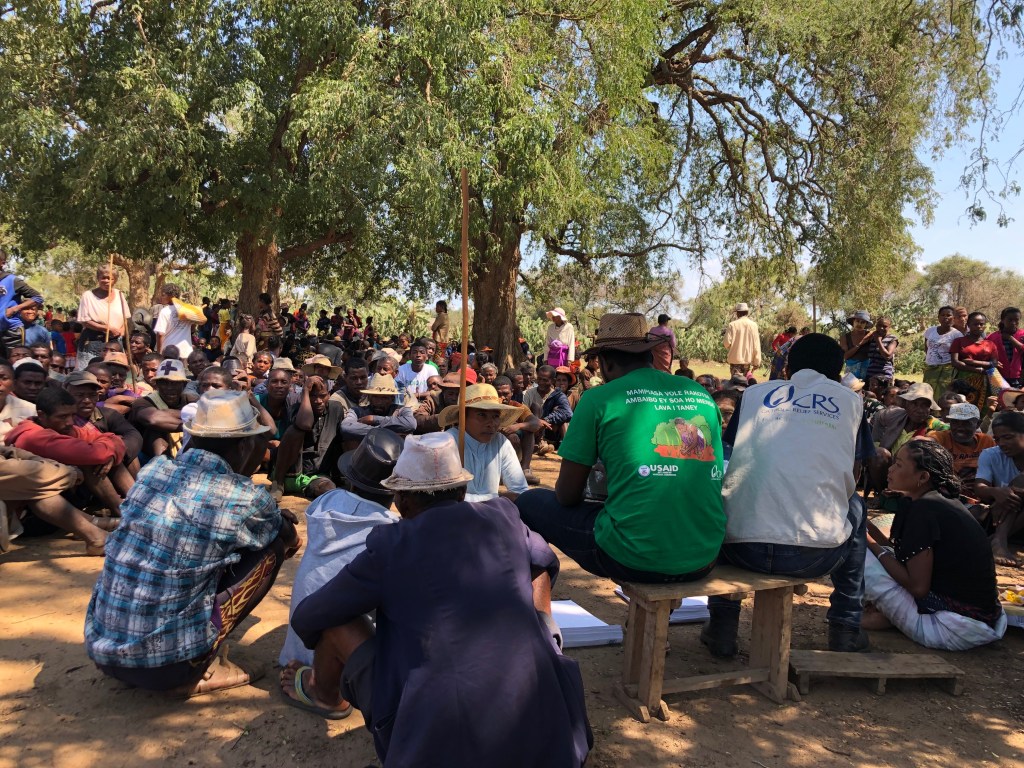
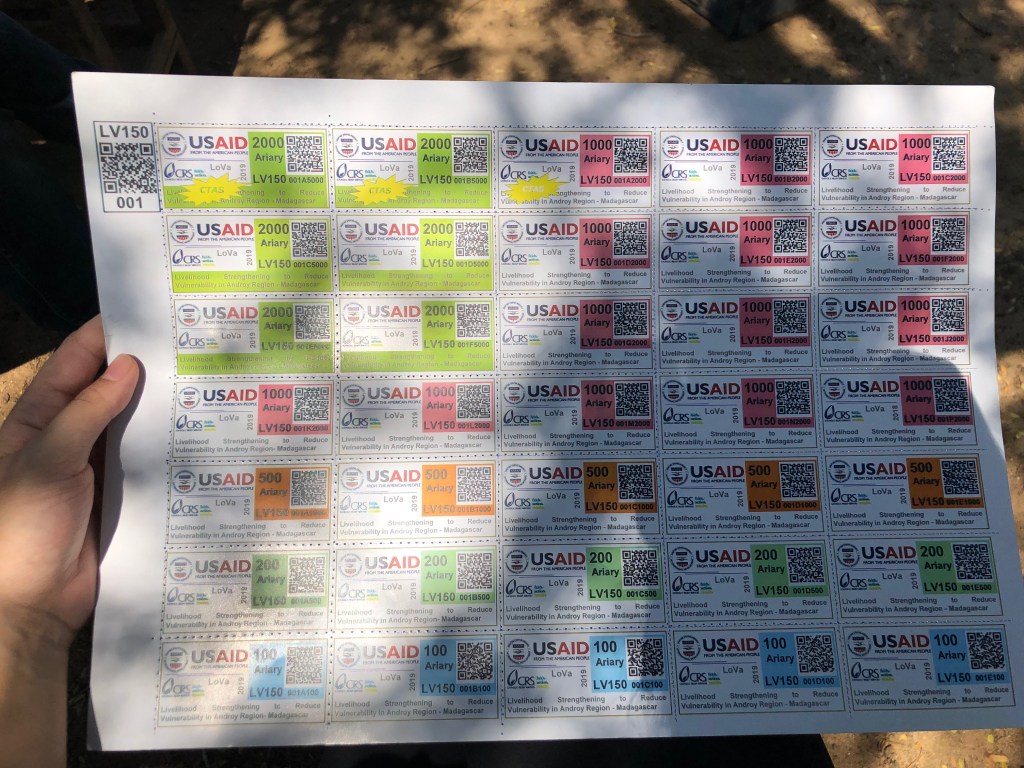
Seed fair vouchers (right)
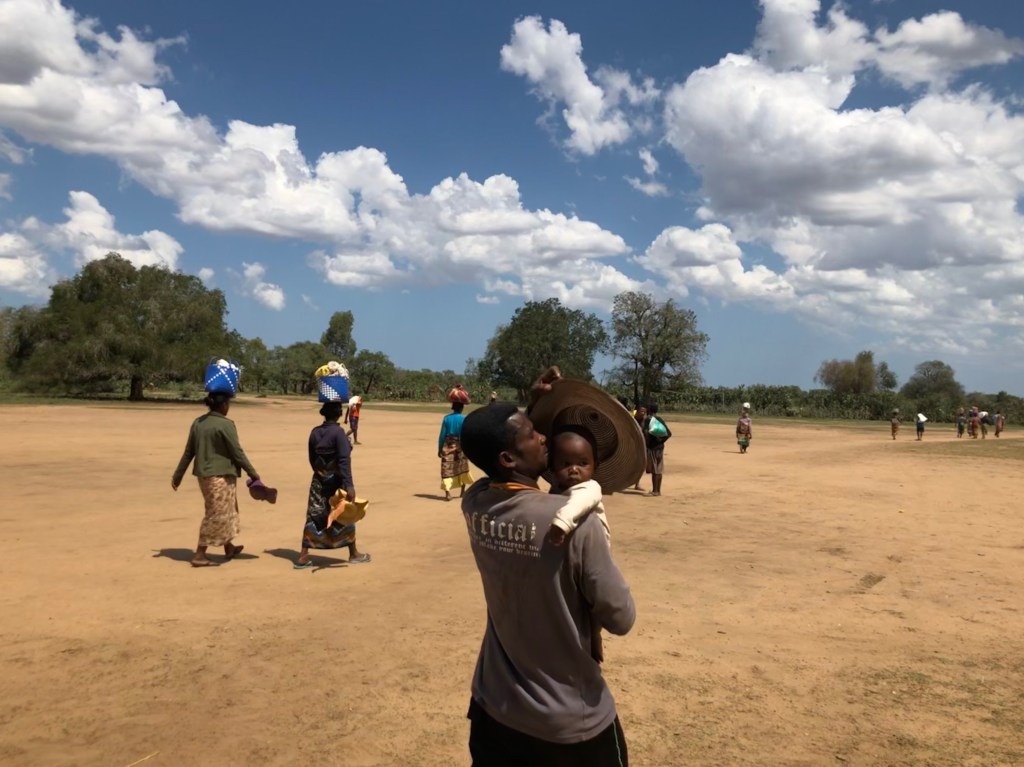
Each participant receives a sheet of vouchers that equal 30,000 Ar (about $8). CRS transports seed (and some tool) vendors out to each location. The vendors set up in a large square and sell their products in exchange for these vouchers in a loud and intense hour-long period.
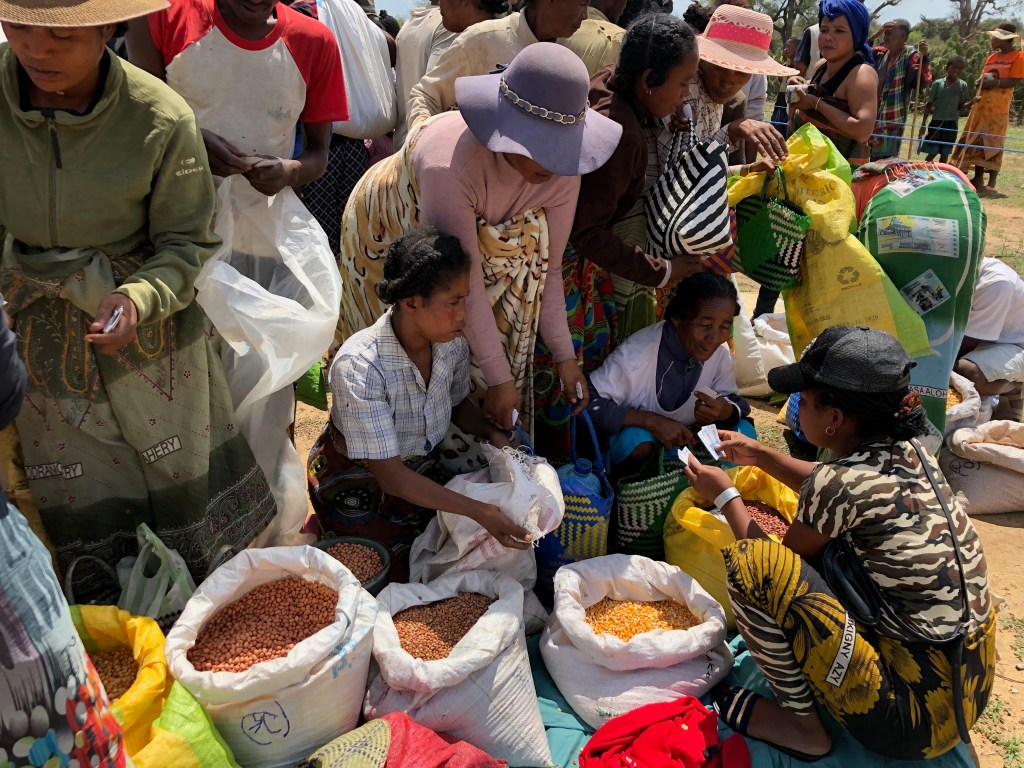
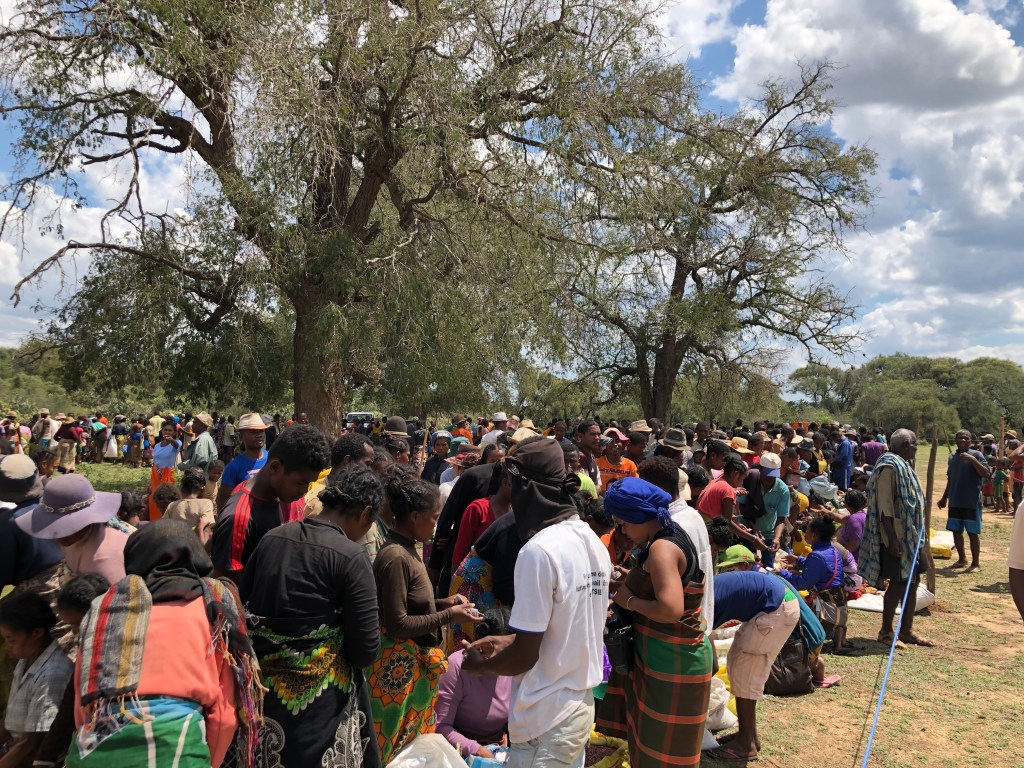
In the end, farmers get some of the seeds that they need for free. And vendors get paid by CRS in exchange for the amount of product they sold. It really is a win-win. The only people that lose are the CRS staff who have to individually count every voucher at the end of the fair… 🙂
Have you ever had to worry about a sand dune migrating onto your house?
Here in the coastal regions, sand is a major concern. Strong southerly winds are constantly moving sand inland each day at low tide, when large areas are dried and exposed. These sand dunes can shift and migrate suddenly, forcing people to abandon their homes or farmland as there is nothing within their power to do once it has. People spend hours moving sand away from their homes or land manually, but at some point they have to give up and relocate. Now landless and displaced, you can imagine how much they struggle.
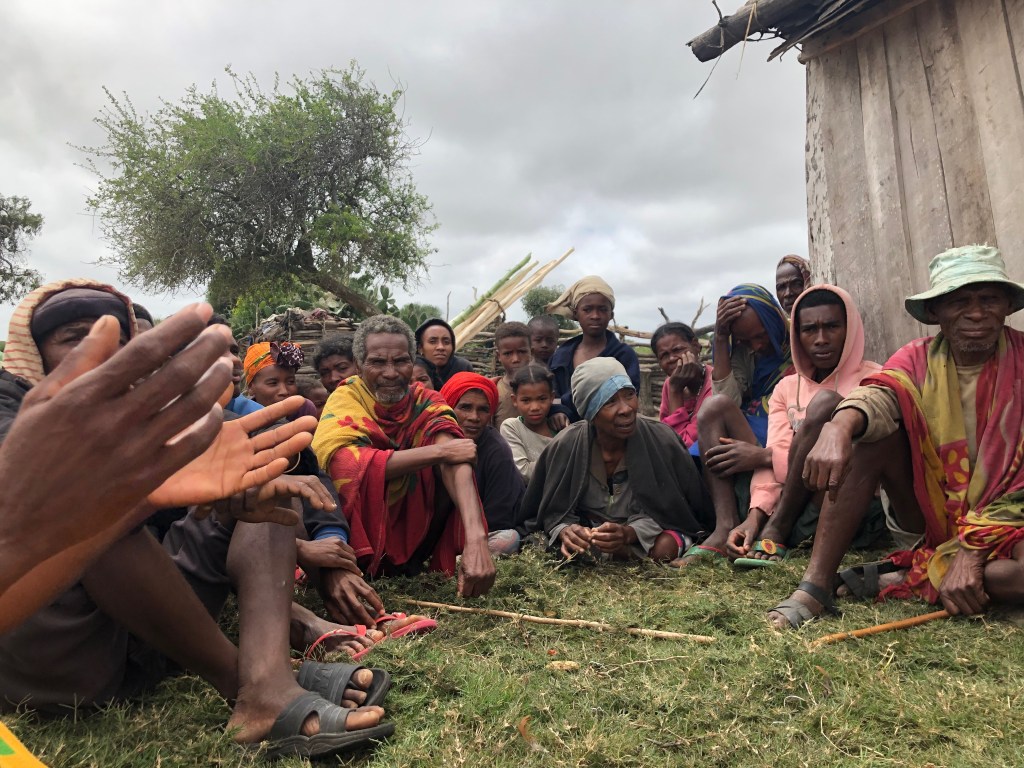
For CRS, I am documenting the stories of two communes dealing with this issue. In the commune of Marovato, sand was shifting onto a well that provides water for three different villages. The people would spend up to seven hours just getting water, having to clear sand away from the well each time. In Anjampaly, sand migration has force entire villages to relocate. Massive sand dunes are constantly threatening to cover farmland as well.
The best solution to these issues is called dune stabilization. The technique employed is simple and extremely effective: planting vegetation on the dunes to fix them into place. You plant at the weakest point of the sand dune- where it is eroding away- which prevents movement inland.
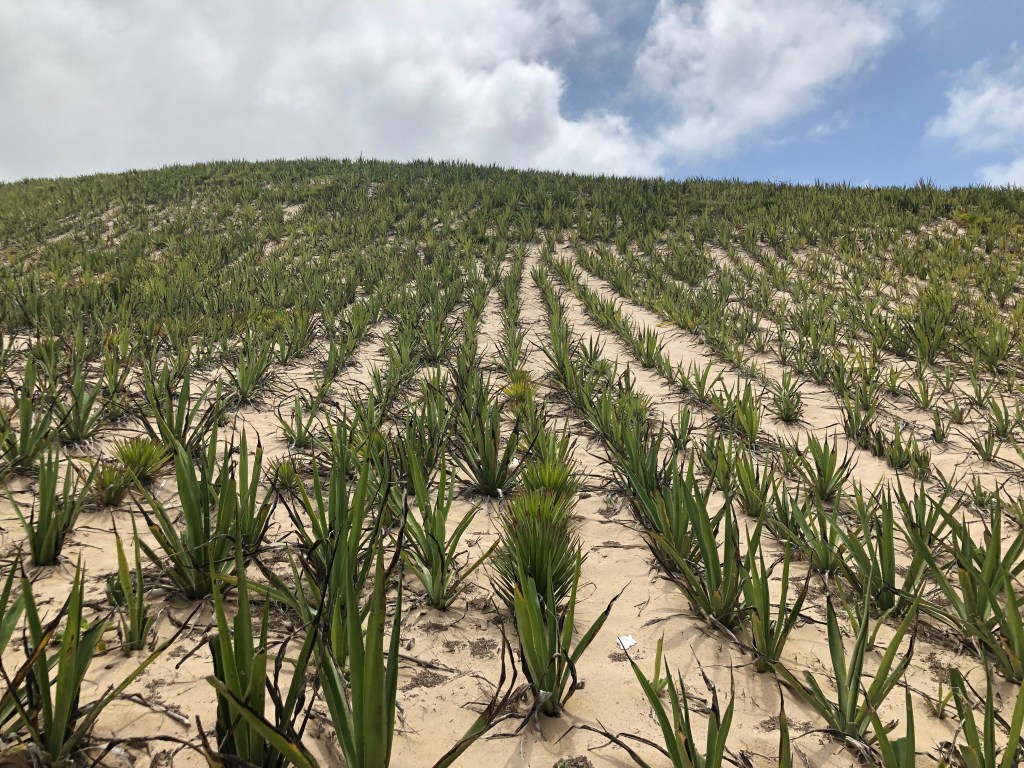
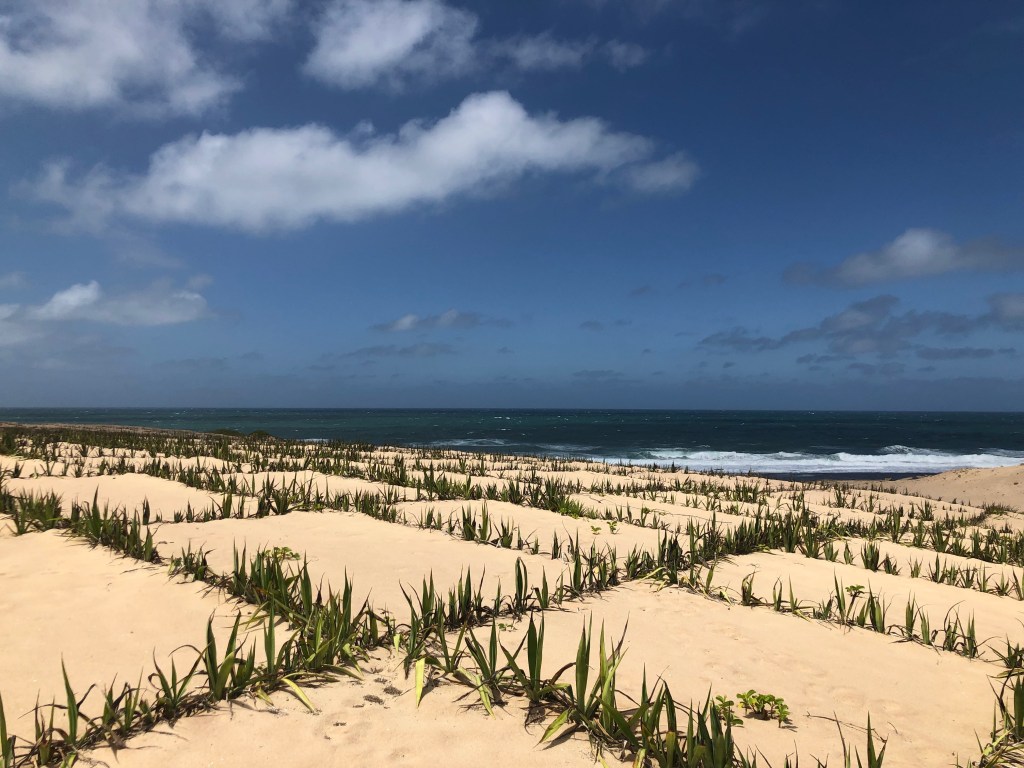
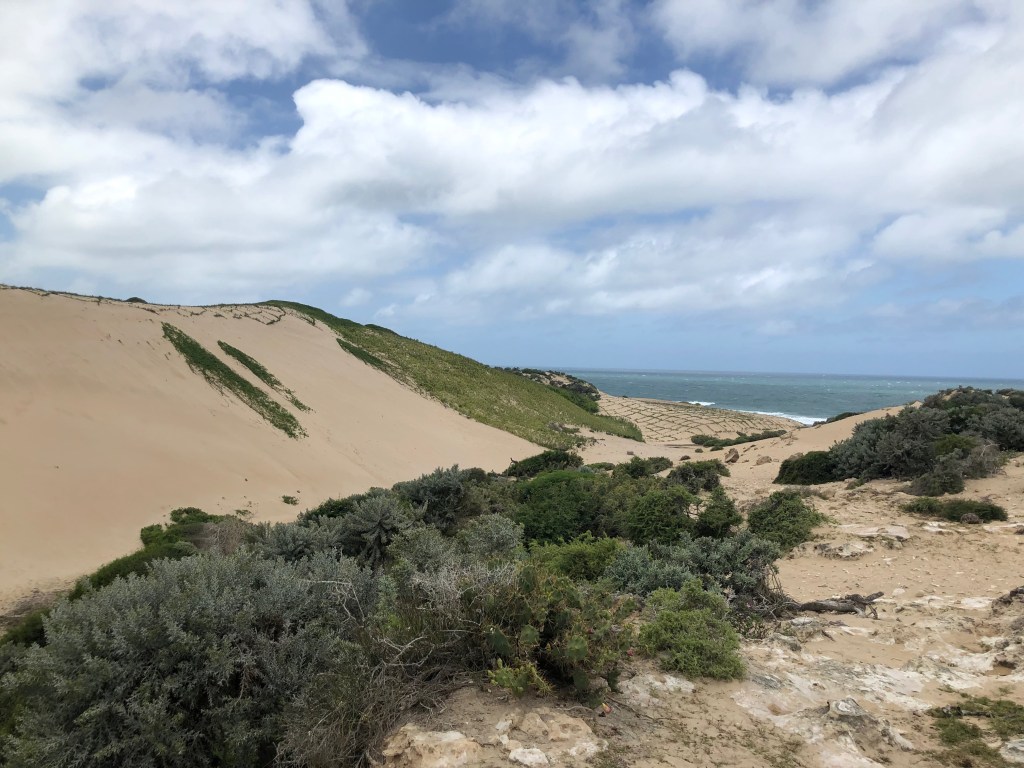
Two plant species are used in dune stabilization: sisal and lalanda (ipomea es-caprea). Sisal is an agave plant common in southern Madagascar. It is well-adapted to desert conditions and can thrive in poor soil while enduring drought, strong winds, and significant temperature variations between night and day. Lalanda is a creeping vine that also flourishes in desert conditions. Both species grow very quickly and do not need to be watered, making them ideal species to cover the sand dunes quickly.
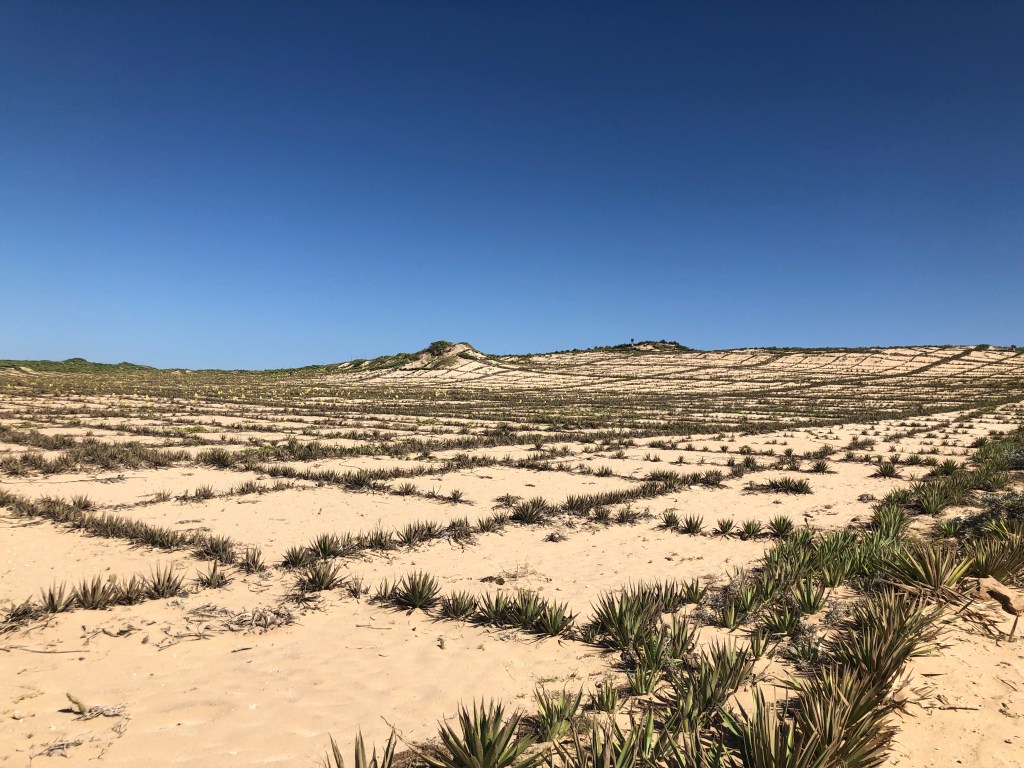
CRS has helped organize communities to stabilize sand dunes (over 243 soccer fields of land) using this technique. It is a Food for Asset (FFA) activity, so people get paid in food for their time along with the benefits of protecting their farmland and villages.
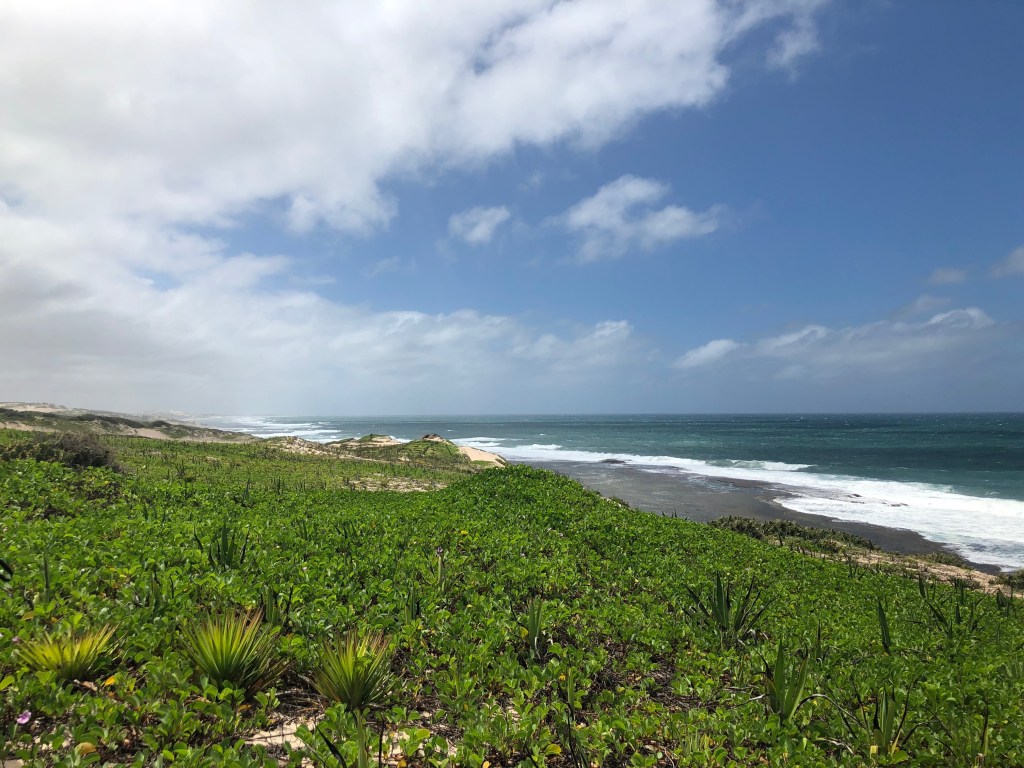
Standing next to these dunes made me realize the magnitude of the situation. Those coastal winds are strong and never stop, carrying sand in constantly. It would drive me crazy to feel and hear the slow demise of my family’s life. This is probably one of the most important projects that I have visited yet.
 foodnations.travel.blog