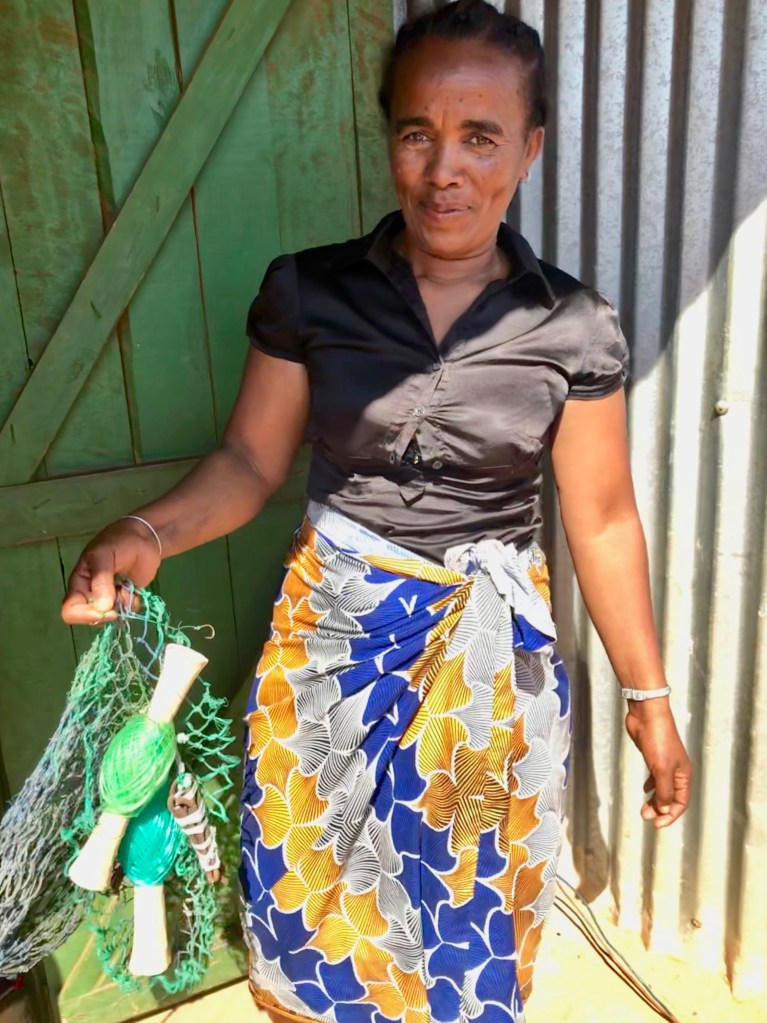
Ravalimahitasoa’s family relies on fishing as their main source of income. Traditional fishing practices in southern Madagascar involve both shallow-water and deep-water fishing. However, shallow-water fishing is mainly used for household consumption and generates little income compared to deep-water fishing. Deep-water fishing requires a boat and specific equipment, making it inaccessible for many families. Before CRS support, Ravalimahitasoa’s family shared one boat with multiple households, making it difficult to bring in enough fish to support her family. Fortunately she was able to participate in fishing fairs in 2018 and 2019, where she received equipment such as nets, extra line, and large barrels. She also received batteries to power lights, which allowed her family to fish later into the night. Using the new equipment, Ravalimahitasoa’s family was able to save up enough money to purchase seven broken boats and repair them. They sold a few and kept the rest to use themselves, greatly increasing the amount of fish they are able to catch.”
– fishing fair success story snippet
I’ve really landed the perfect job here. In a sort-of exchange for being able to observe CRS projects, I’m writing “success stories” about a select few individuals whose lives have been profoundly impacted by a project. It’s been an amazing experience to see their life and document part of their stories. Of course, not everyone has benefited the same way these 7-8 people have. But it is inspiring to highlight them, since the changes reflect highly on their own hard work and resilience. The best part of my week was receiving my first ever live chicken as a gift from one of the women. I was a proud owner for about four hours, before he became dinner.
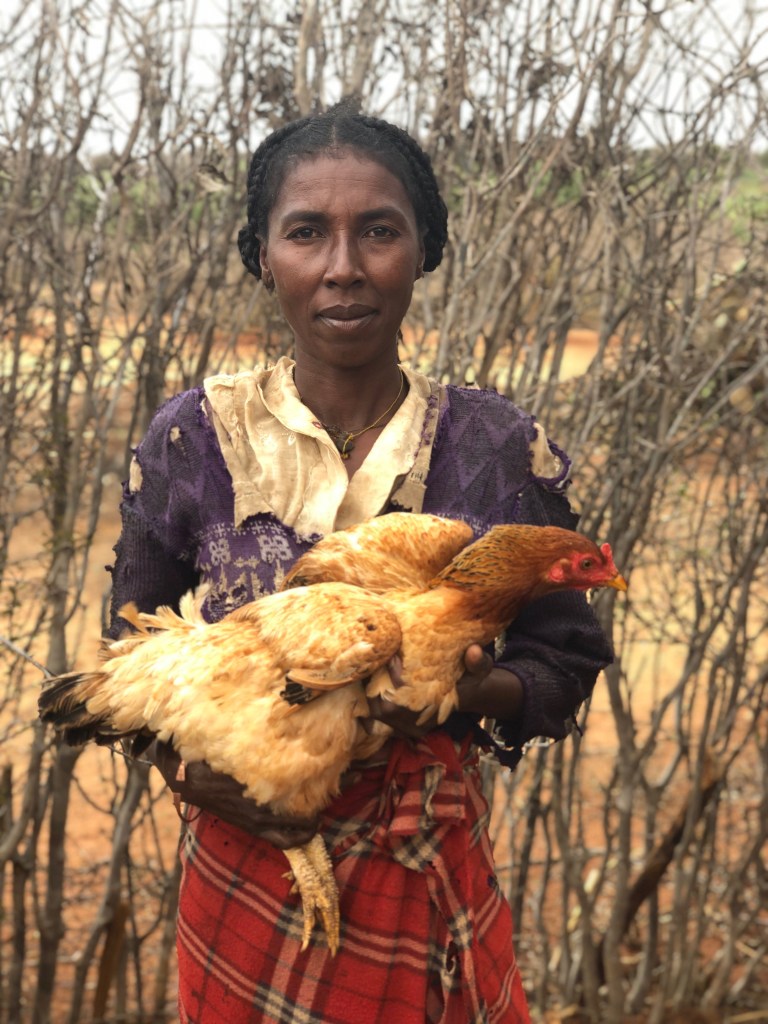
Didike received six chickens from CRS, along with training about how to vaccinate them properly. She was also shown how to build an enclosed chicken coop, which she did so well that her coop is now a model for others in her community. Her coop has grown from six to over thirty, with more chicks on the way. The chickens provide financial security for her family of nine, as well as a stable food source.
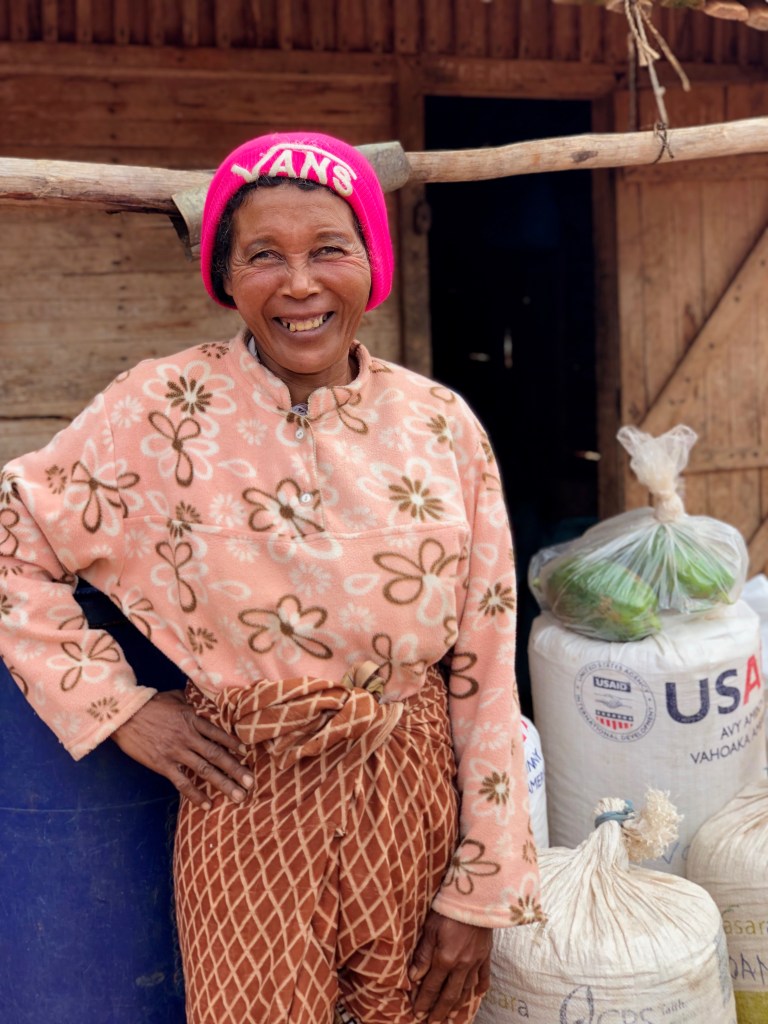
Heremasy is a farmer, as many generations of her family before her. She received PICS bags (shown behind her) which help keep her harvested goods clean and dry. With these simple bags, she is now able to keep her goods for longer and sell them at optimal prices in the market. She is also able to store seeds safely to prepare for each new planting season, and has even begun to sell her seeds to other farmers.
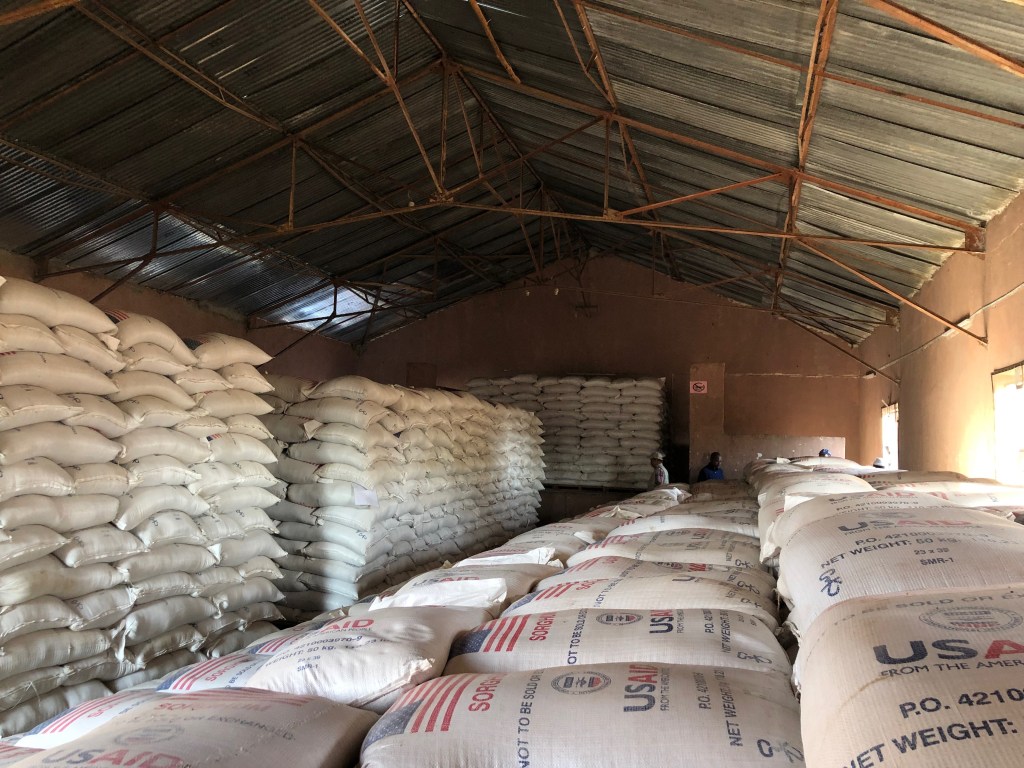
A major program here is called Food for Assets (FFA), which able-bodied participants between the ages of 18-around 60 are able to participate in. They work for 10 days on a project meant to improve their communities and then receive 10 days’ worth of food (sorghum, oil, and yellow split peas). It was extremely humbling for me to see how many people participated, patient through the entire distribution process that I observed, to take home ten days’ worth of food.
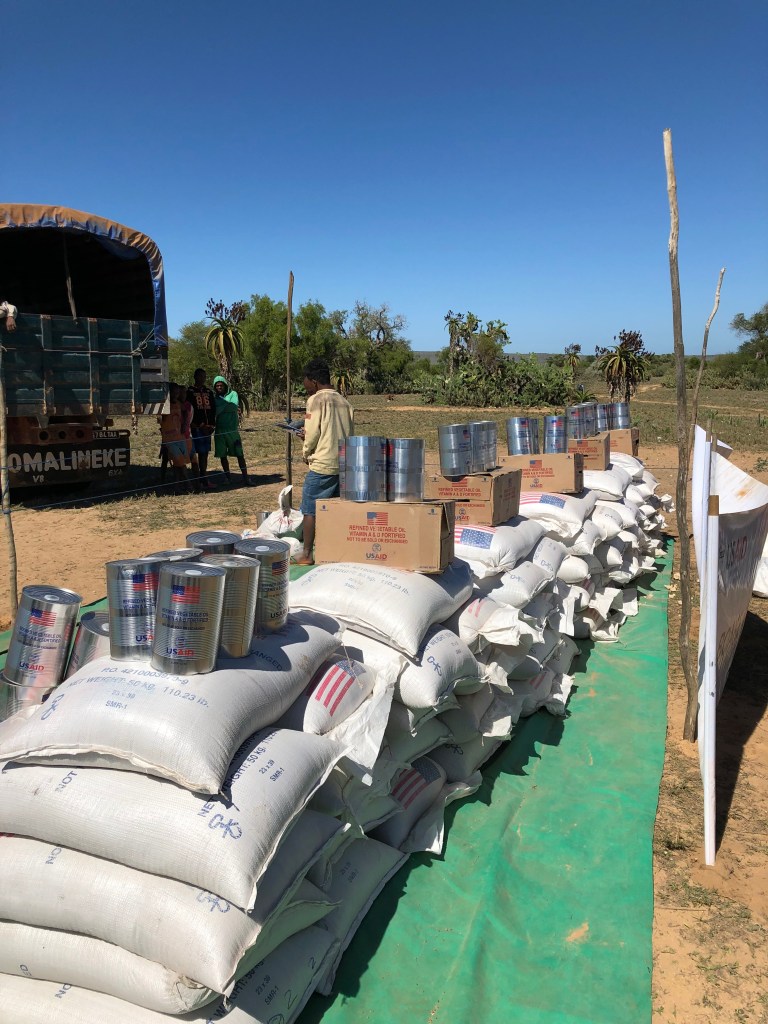
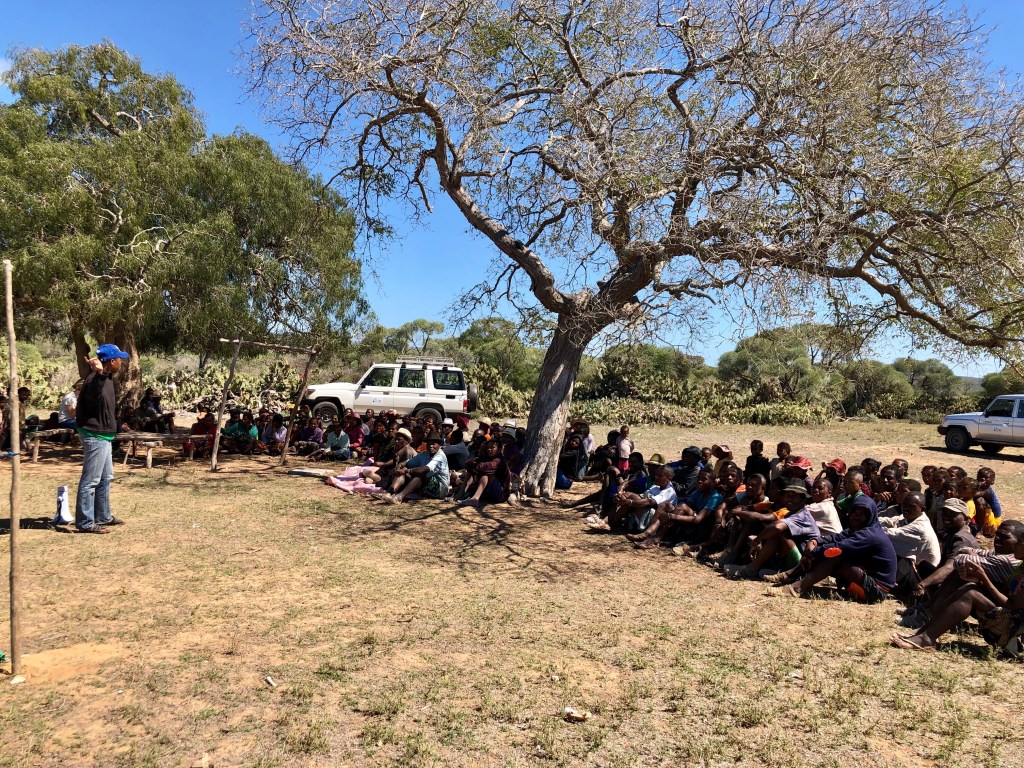
Many guidelines govern events like this. For example, there must be shade and water at the site. Mats are provided so most people don’t have to sit on the ground. People shouldn’t be traveling major distances to get to the site. These little things make a huge difference to the people participating and bring the concept of “dignified aid” to life.
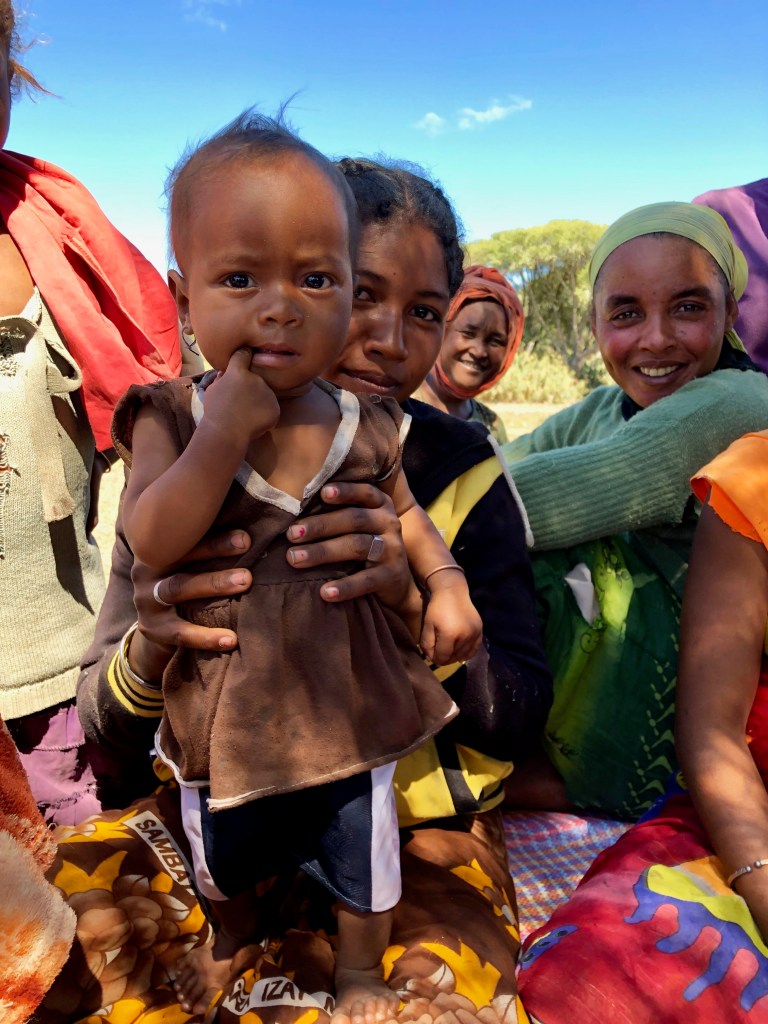
I’ve read enough literature to understand why there is skepticism of aid programs. Last week I sat in on a conference here with all CRS staff and mayors of the fokontanys (villages) where CRS works. A major concept throughout the week was, where does the responsibility lie? If CRS fixes a portion of a road, who will maintain it once the project is over? There was real dialogue about the issue of responsibility with an effort to have community leaders educated and informed about each project CRS has. What I understood is that it’s not perfect, but efforts are being made.
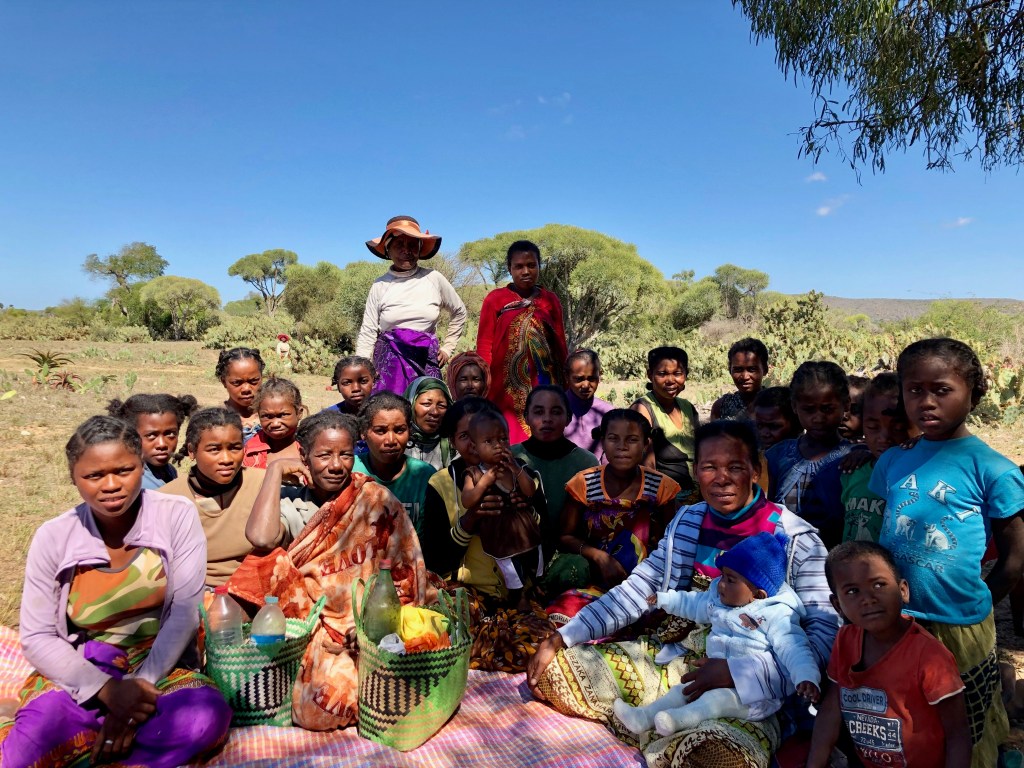
I’ll be able to contrast the FFA distribution with a general food distribution (GFD) which will take place in a couple of weeks. While FFA targets able-bodied individuals, general food distributions target the most vulnerable populations- pregnant women, single-parent households, etc. A list of beneficiaries is drawn up by CRS based on certain indicators and then confirmed by community leaders. They take into account ownership of zebu, sheep or goats, or the number of children you have, etc.
Also, it’s quite ironic that the people with the longest names in the WORLD can’t pronounce mine (a real email I was given: antsanimarinaramanamjahahary@gmail.com). I’ve taken on the nickname Aly here, so I’m sort-of Aly the success story girl. It’s quite a meme-able phrase among staff down here, used during foos games and other various activities. I hope you all have a moment today where you can say, “success story!!!”


 foodnations.travel.blog
Wow, it is incredible – the resilience and determination of these individuals! Navigating aid is a challenge but it seems like CRS is doing their best to solve the issues. Proud of you, Alysala, and the incredible work you are doing to bring these stories to the forefront! When you get home, I’ve got a chicken with your name on it! 😉
LikeLike
Thanks for following along, Becca! I should be the one sending you a couple chickens for the wedding!! ❤
LikeLike