One broken laptop and three countries later, I’m finally able to recap what I’ve learned and experienced the past 3 months. (Thanks mom for the iPad, and many reminders! 🙂 I am just a few days away from halfway and can’t believe this year is already almost half over.
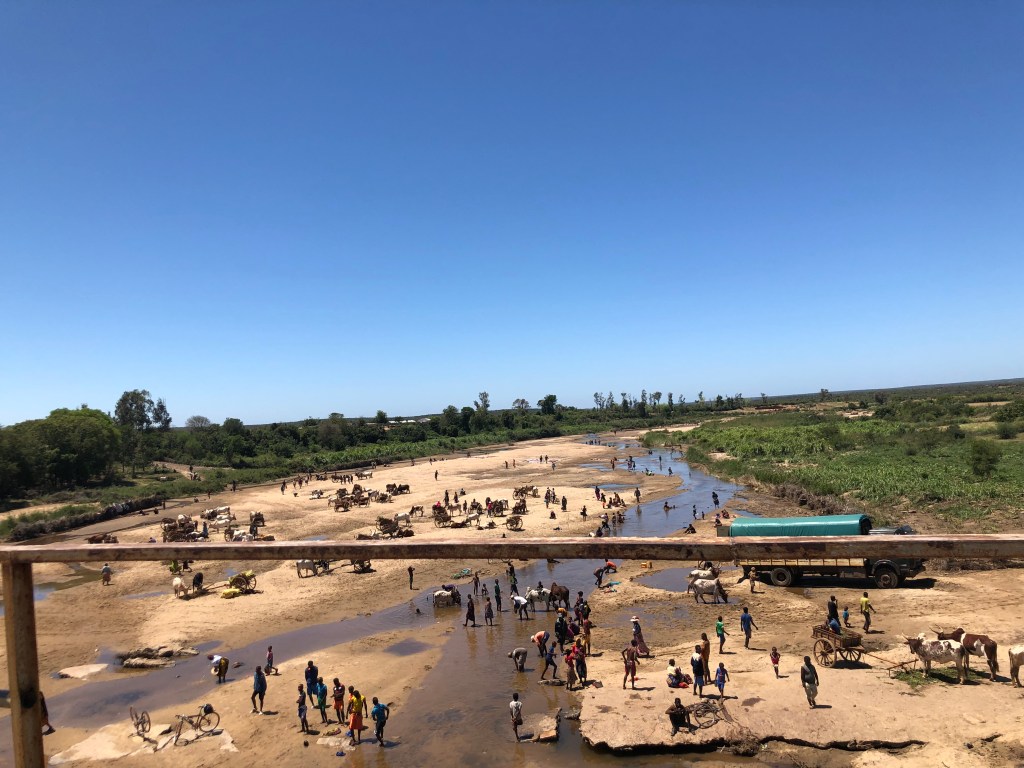
I wrapped up my time in Madagascar with CRS, learning the whole way through. I extended my time in the south, to the extreme surprise of my host family in Tana, to be able to see two important events: growth monitoring, and general food distribution.
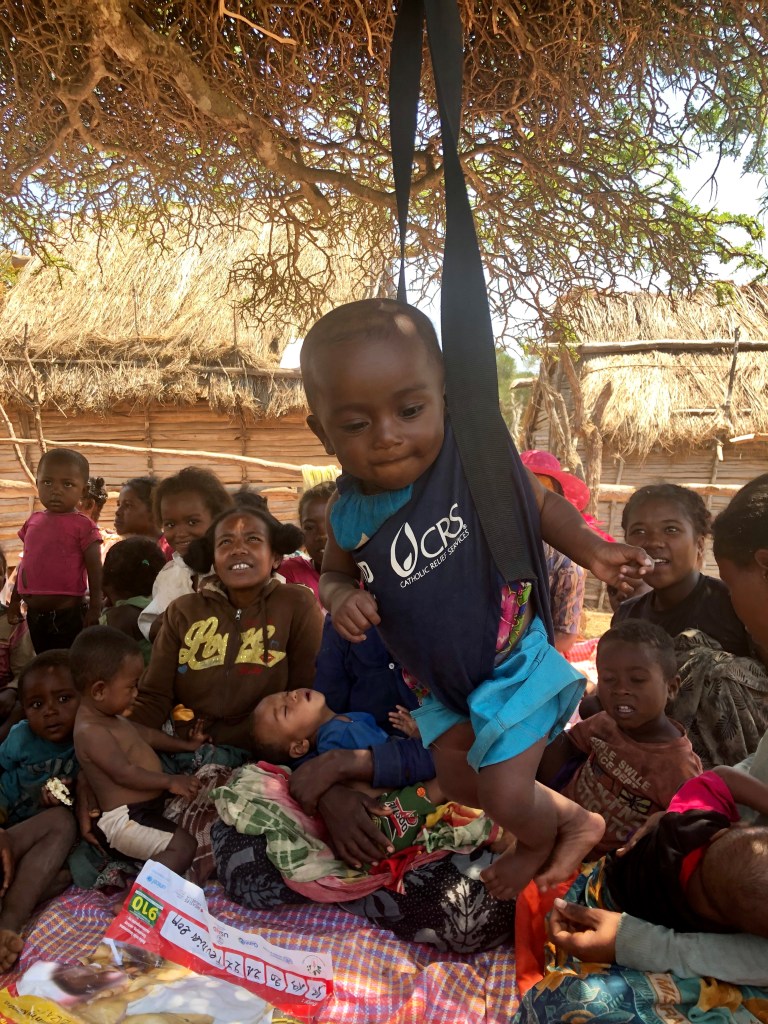
Growth monitoring is essentially a baby weighing, and is the cutest USAID—funded event you’ll ever see. They are hosted in one village at a time, where all women with babies congregate to have their measurements taken and recorded.
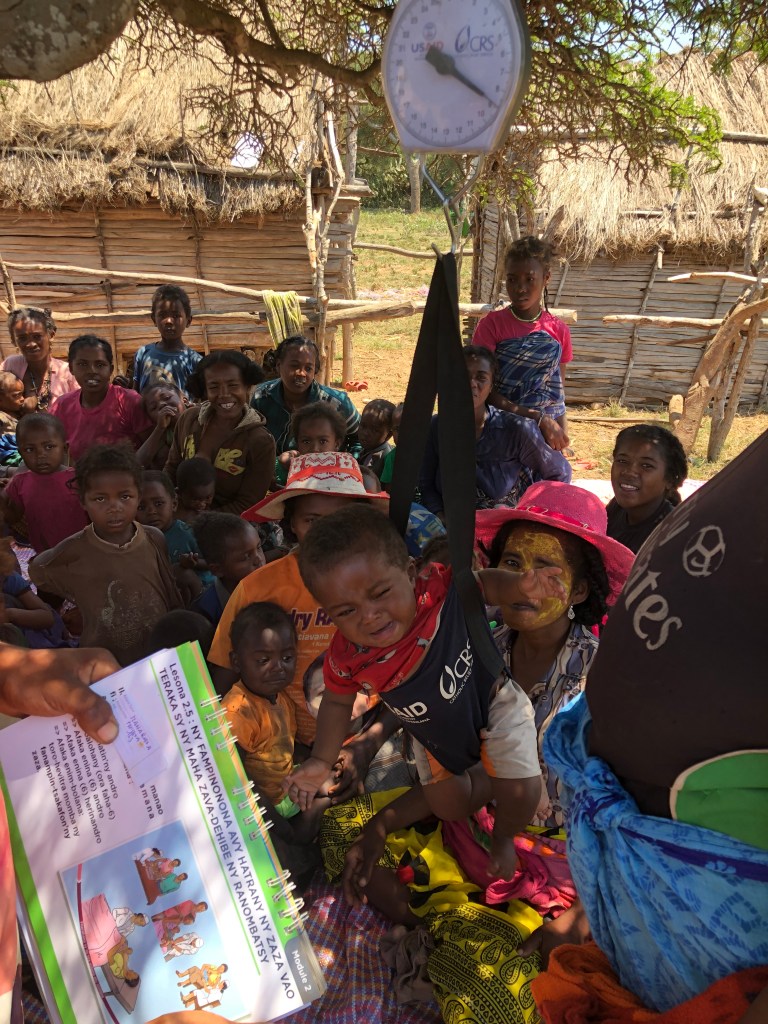
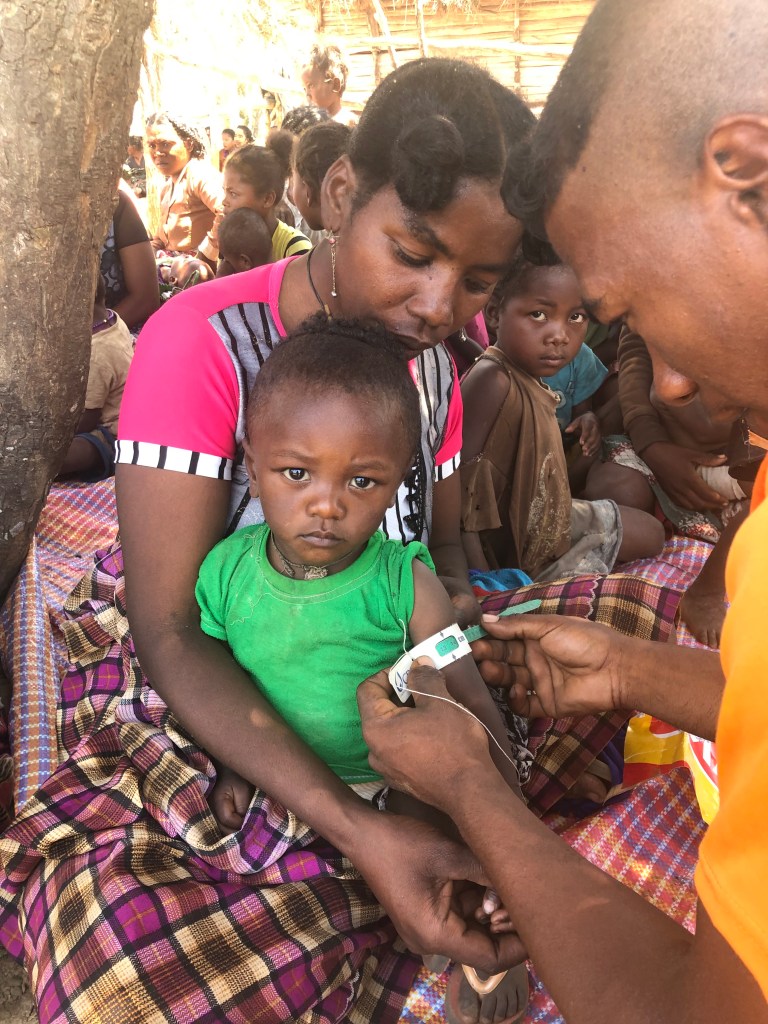
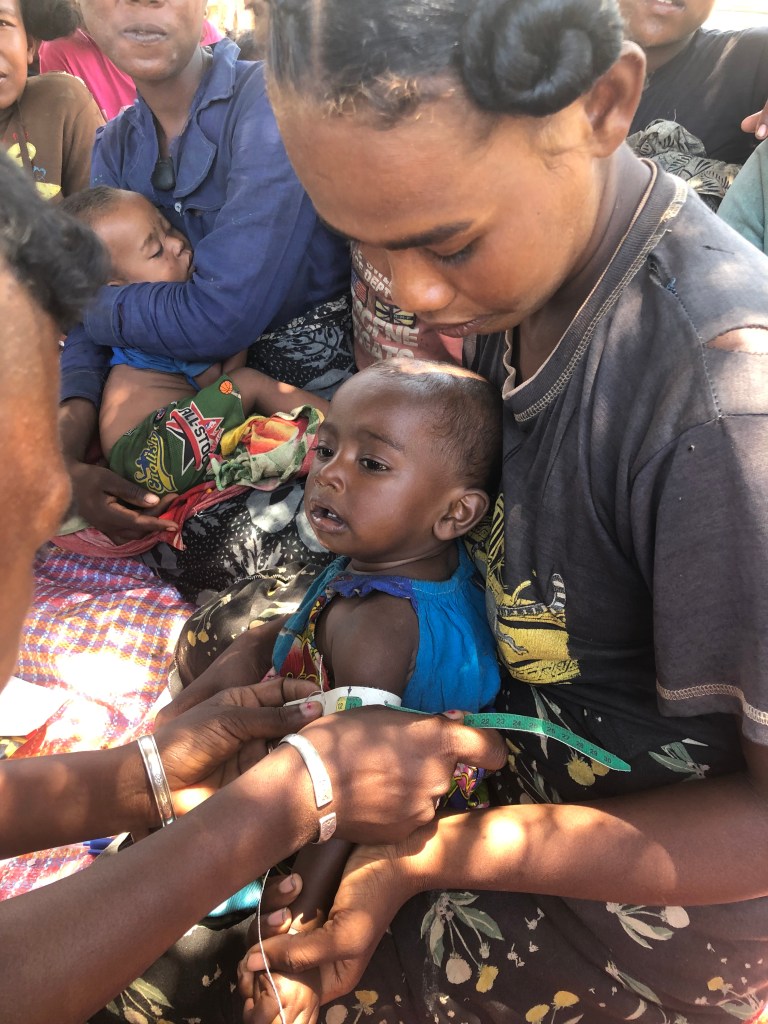
Any level of malnutrition among children is dangerous, as the loss of body fat and muscle tissues affects not only physical development, but also cognitive functioning later in life. Mothers who had at-risk children were separated from the others and counseled separately. In some ways, it seemed to serve as a societal incentive to keep your baby healthy, as this was all extremely public. I began to contemplate the concept of dignified aid, which is important to consider when looking at any assistance program. Does the experience inspire people, or make them feel small?
This question is being asked all over the world. It has influenced soup kitchens in France, which provide 3-course meals and servers for their customers. It has altered the design of food pantries, so they look and feel more like a real store. Providing food is just one aspect of the equation. Making people feel respected through the process is equally important.
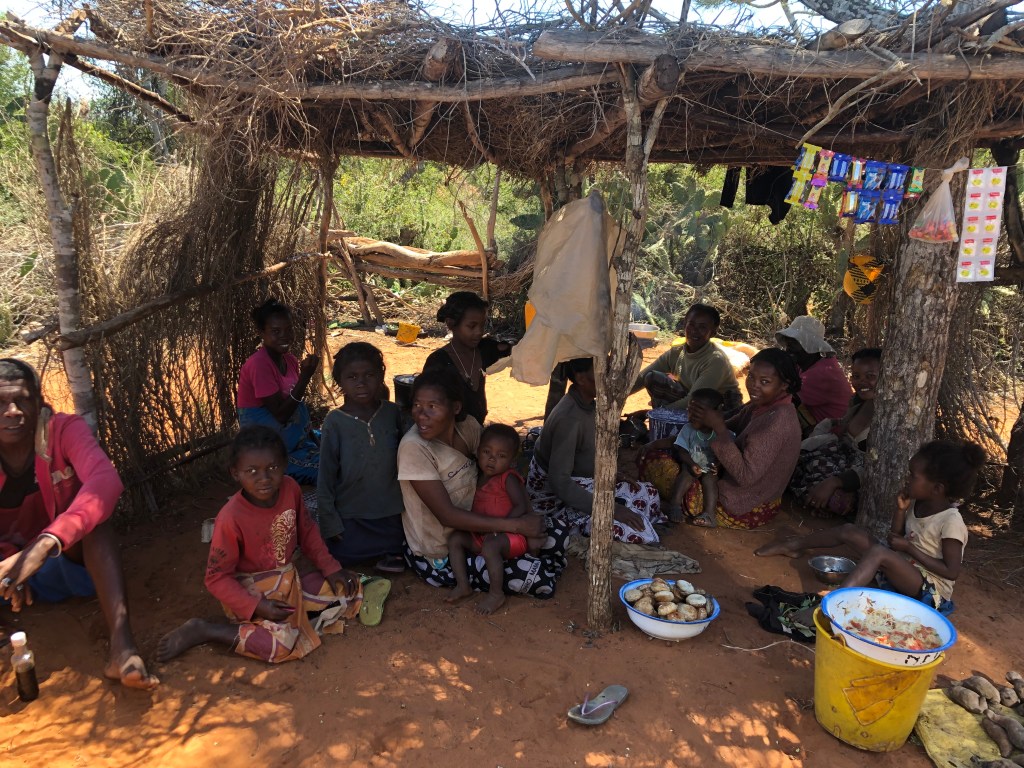
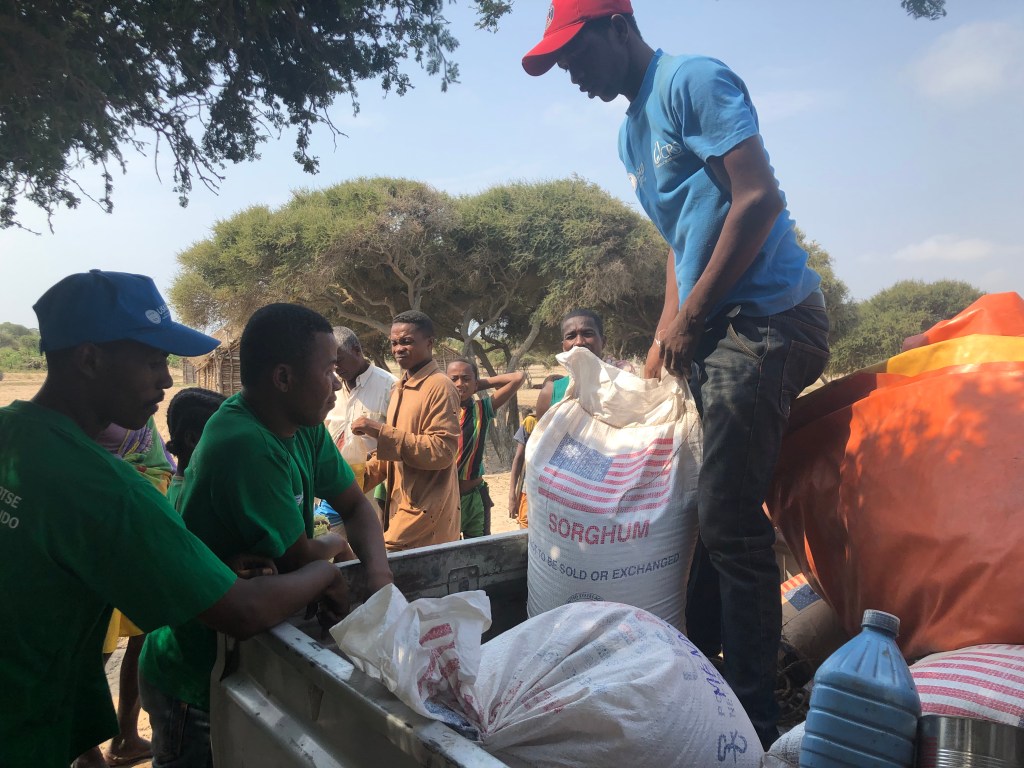
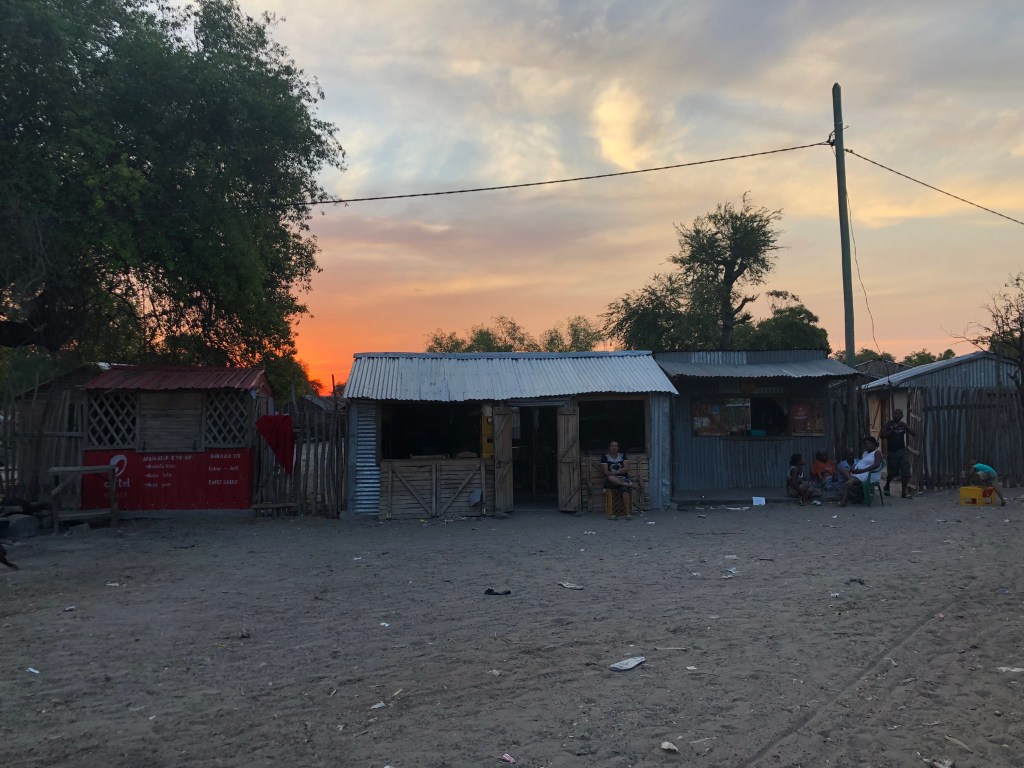
I contemplated dignity again as I accompanied general food distributions, which target only the most vulnerable households in each village. We would drive for hours to distribute bags of grains and oil to anywhere from one to eight families in different villages. Our arrival was never discreet, bringing out almost everyone from the village, and it was obvious who was receiving the food. However, there seemed to be little stigma associated with it. In fact, often other families would explain that they themselves had a need for more food and would like some as well.
I began to realize that the concept of dignity is situationally influenced. In southern Madagascar, where everyone lives well below the poverty line, dignified food assistance has an entirely different meaning than what I am used to. Dignified aid there, at least according to NGO guidelines, involves providing water at events and making sure there is adequate shade on site so people don’t wait in the sun.
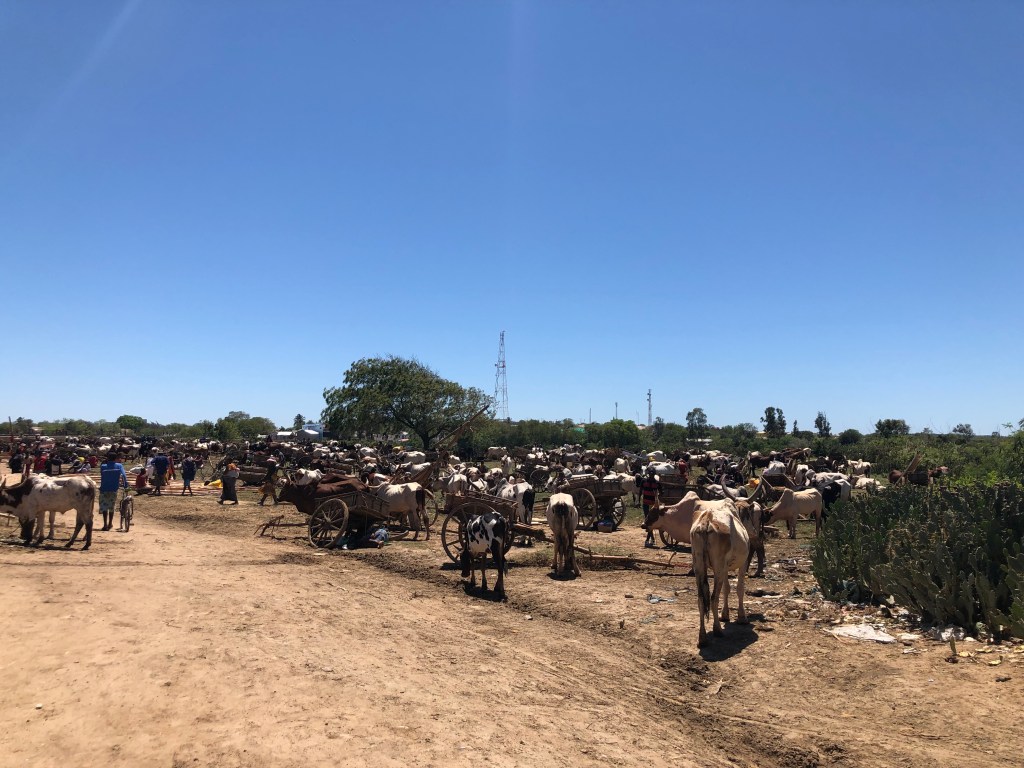
The difference between a family who receives assistance and who doesn’t is often the ownership of a few goats, or a zebu. During the next lean season, that family may have to sell their livestock to their neighbor, only to purchase more again when they harvest. Everyone is basically in the same boat, some just have stability at different times.
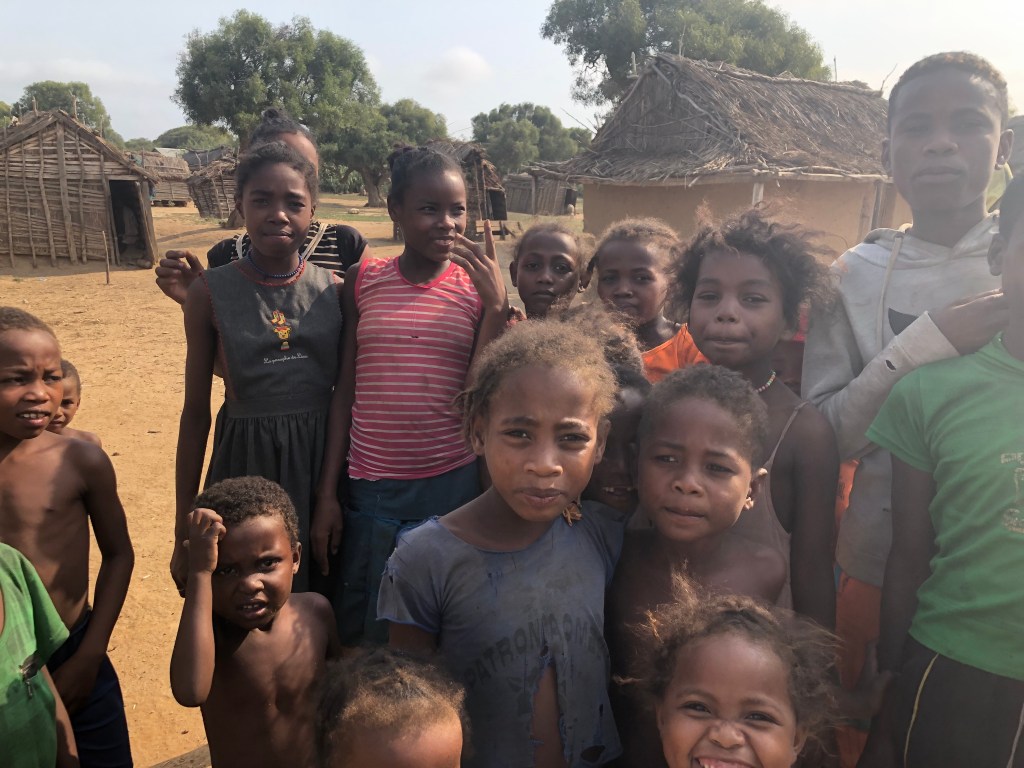
What is considered to be “dignified” is also culturally influenced. A huge part of maintaining dignity in the USA is prioritizing privacy. In contrast, Malagasy communities (in the southern region) are very open, especially in small villages. I experienced this even in Beloha. There was one man who would always ask for money in the streets- his hands were cuffed together with a metal wire- and many people would donate their change. I later found out that he has mental health issues and tried to harm himself. The community bound his hands and collectively takes care of his needs.
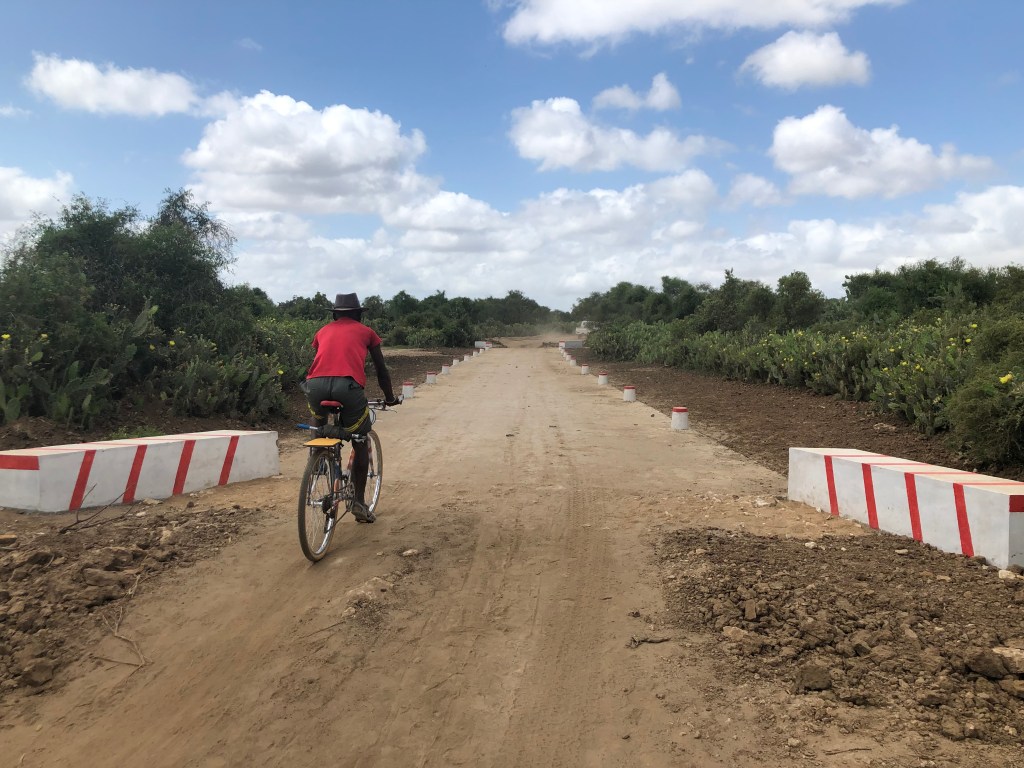
There is a Malagasy saying that is akin to “the circle of life.” It applies to many things, including wealth. It means that you might be on top now, but later you’ll be at the bottom, and those who are at the bottom now will be on the top. This cyclical visualization of prosperity is very different than the one-way ladder of the American dream, and could be one reason why there is far less stigma around receiving assistance.
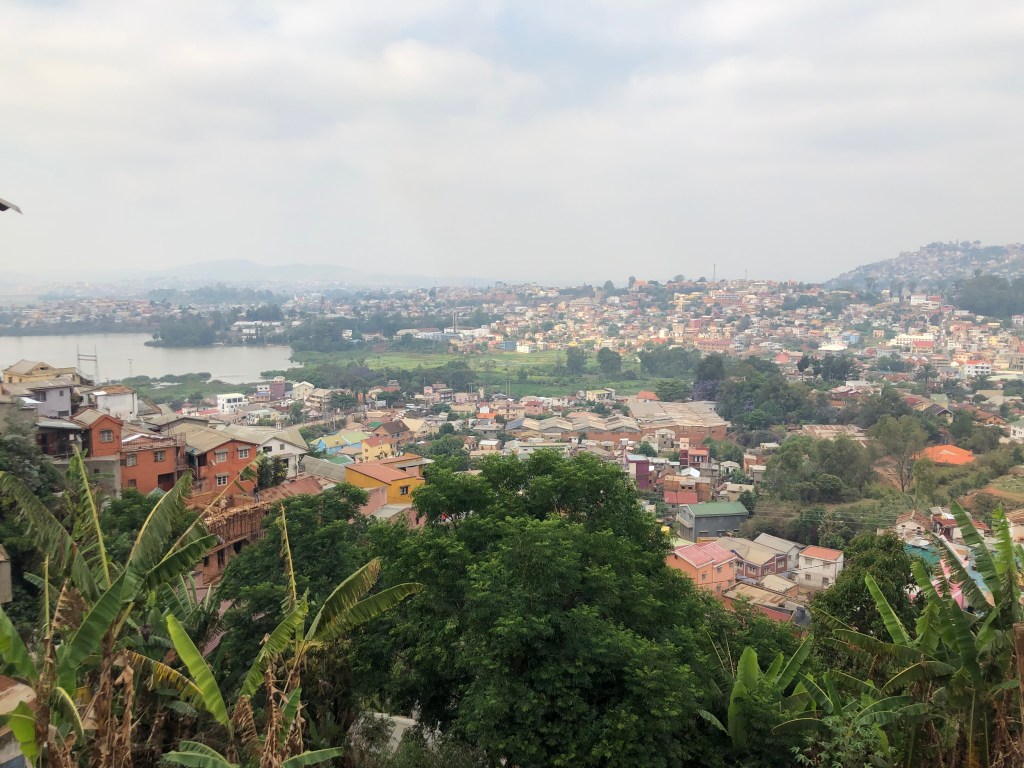
My first day back in Antananarivo I ate an entire bag of oranges. Just two months of living in Beloha had taken a toll on me, as rice, meat, and potatoes are the staple food items. Regardless, I am so glad that I got to fully live the experience. I loved my simple life in Beloha, and left amazed at how quickly you can adapt to anything when you try.
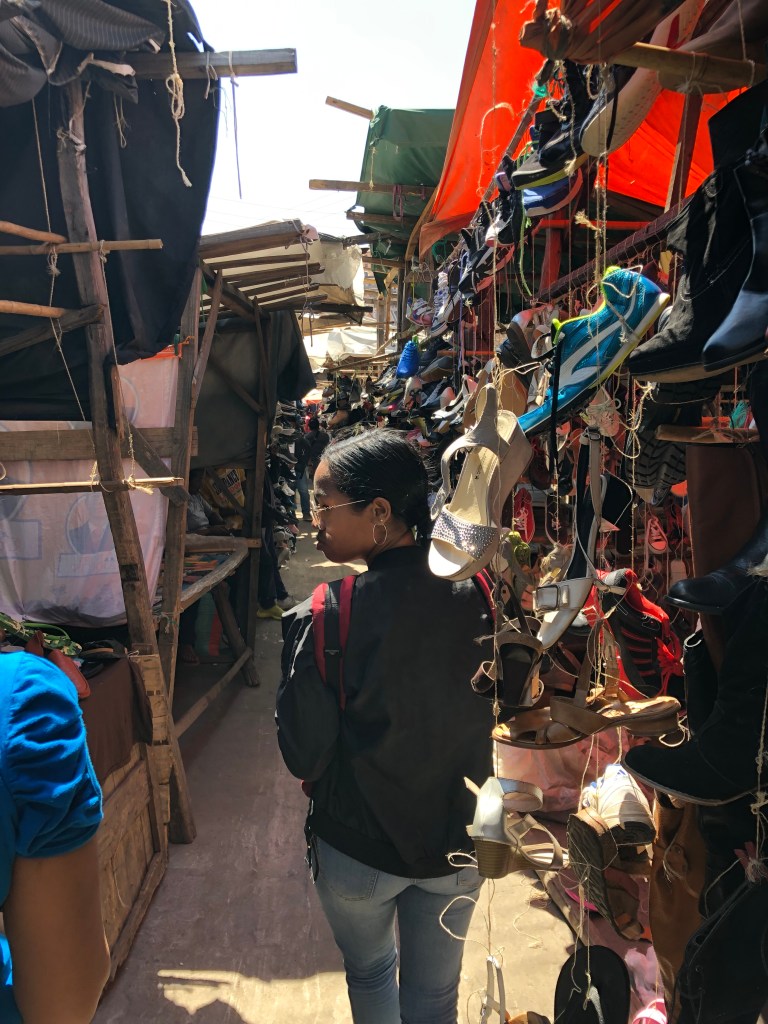
During my last week in the country, I spent a few days at Nosy Be, an island directly off the coast of Madagascar and the most popular destination in Madagascar. I was happy to finally be walking on sand, while on a beach instead of town…
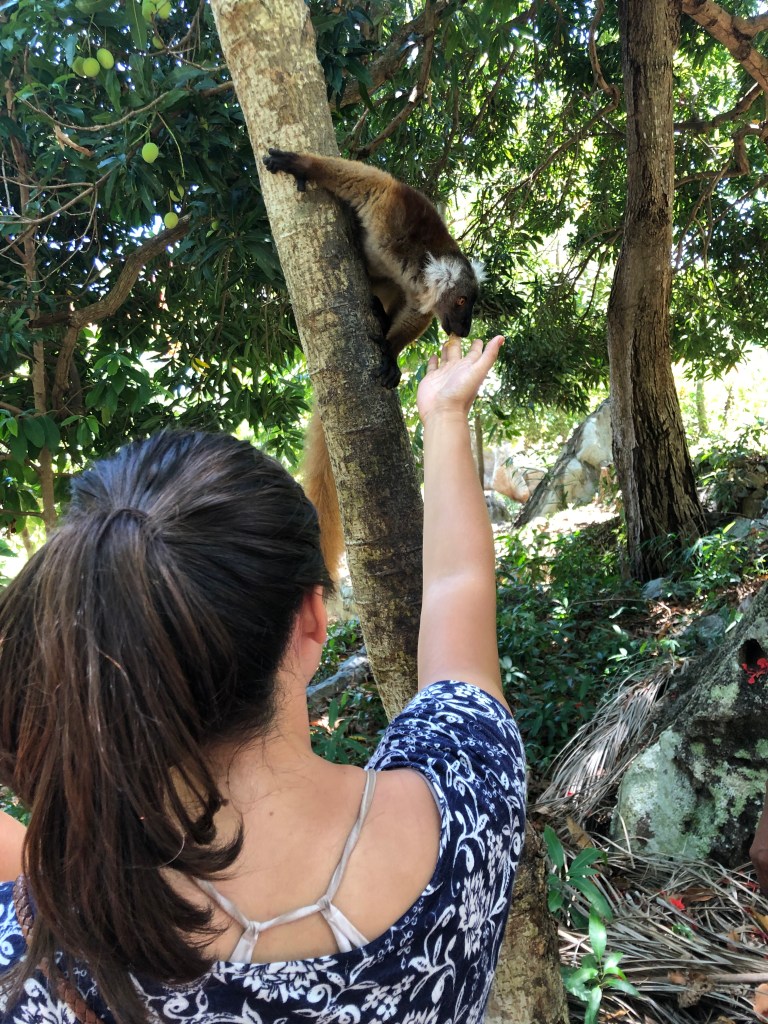
One of the most difficult parts of this fellowship so far has been saying goodbye. So many people in Madagascar showed me kindness, and some I will never see again. But as a CRS staff reminded me, “the world is round, and the world is small.” I’ll definitely circle back someday. I am so thankful for the inspiration I gained during that portion of my fellowship. Veloma, Madagascar!
 foodnations.travel.blog