I’ve now spent over a full week in Beloha, in the “deep south” of Madagascar.
I flew into Ft Dauphin from Antananarivo with other CRS staff and spent the night. Ft. Dauphin is right on the coast and is absolutely beautiful, surrounded by large mountains and lush tropical scenery that somewhat aligns with scenes from Madagascar the movie.
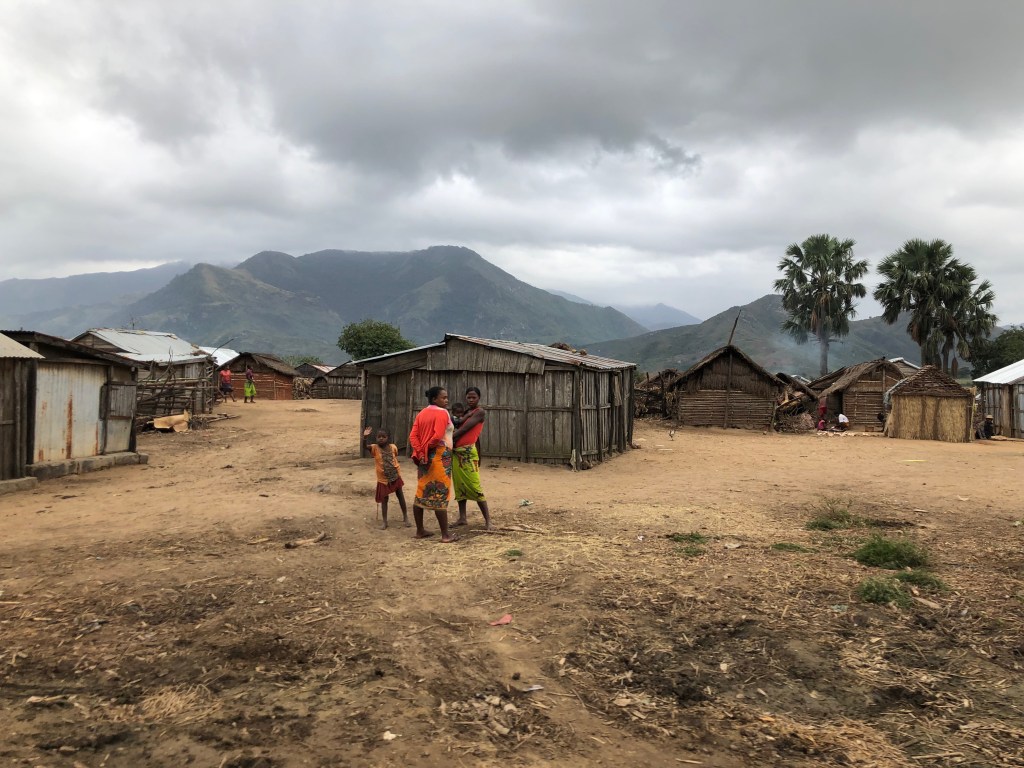
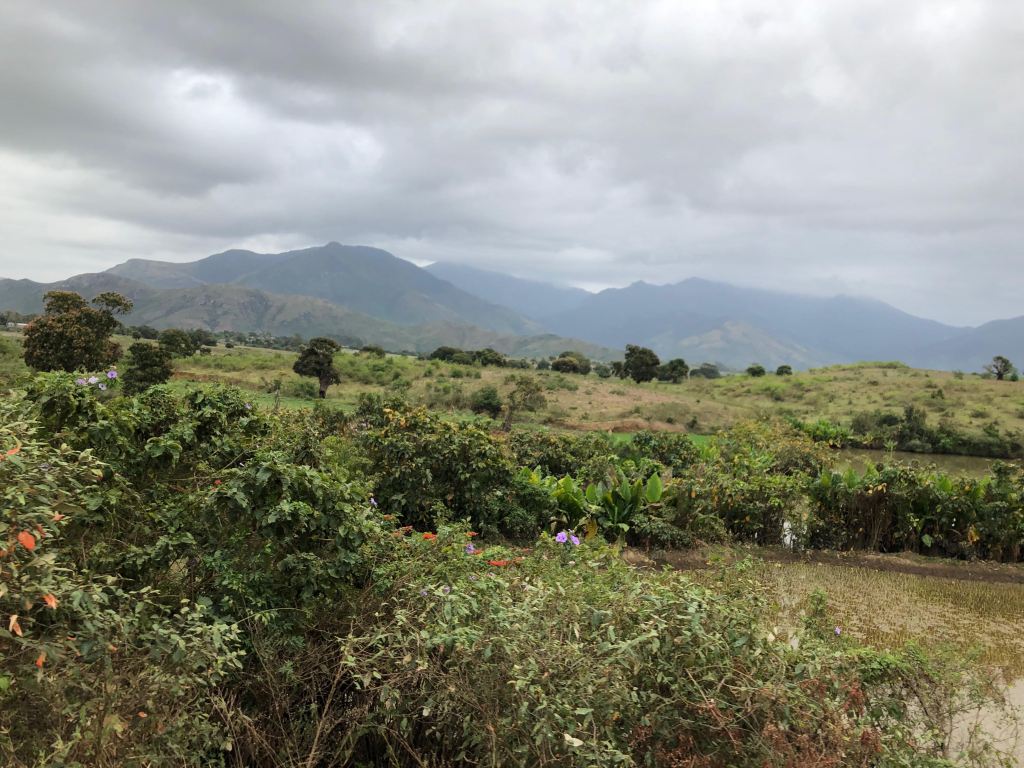
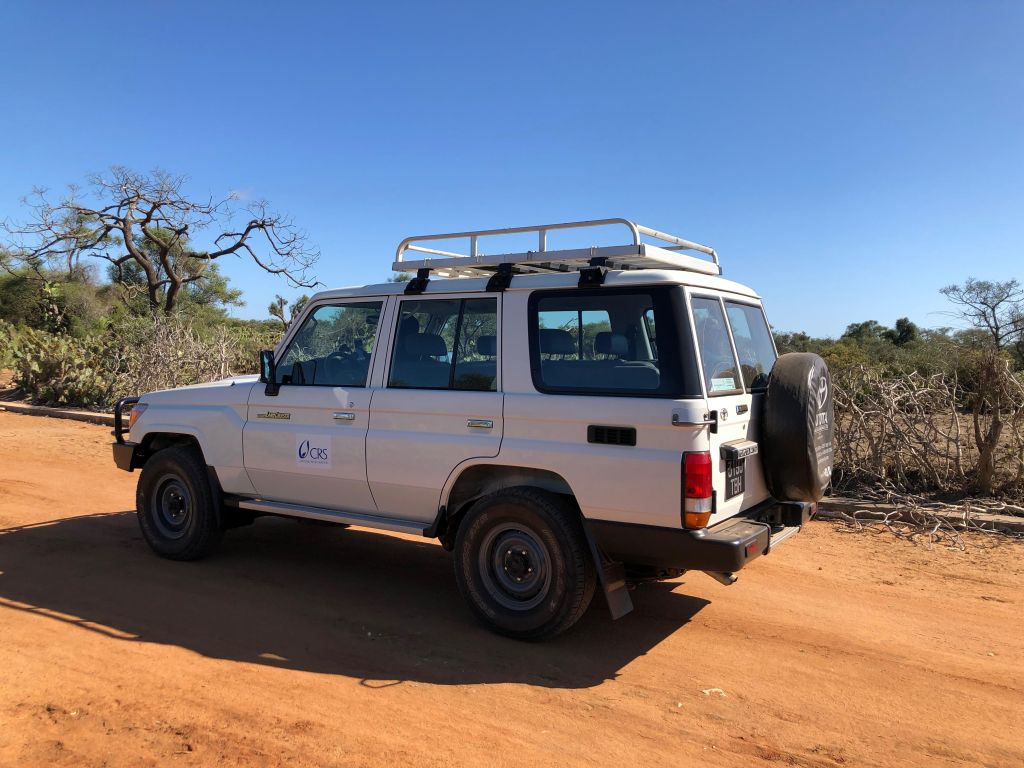
In the morning we began the trek to Beloha, which is not a journey for the faint of heart. We traveled in jeeps that made me feel like we were on a safari, which we may as well have been given how non-road-like the roads are here. To give you an idea of how slowly we drove, or rather bounced, it took us about 8 hours to travel 140 miles!
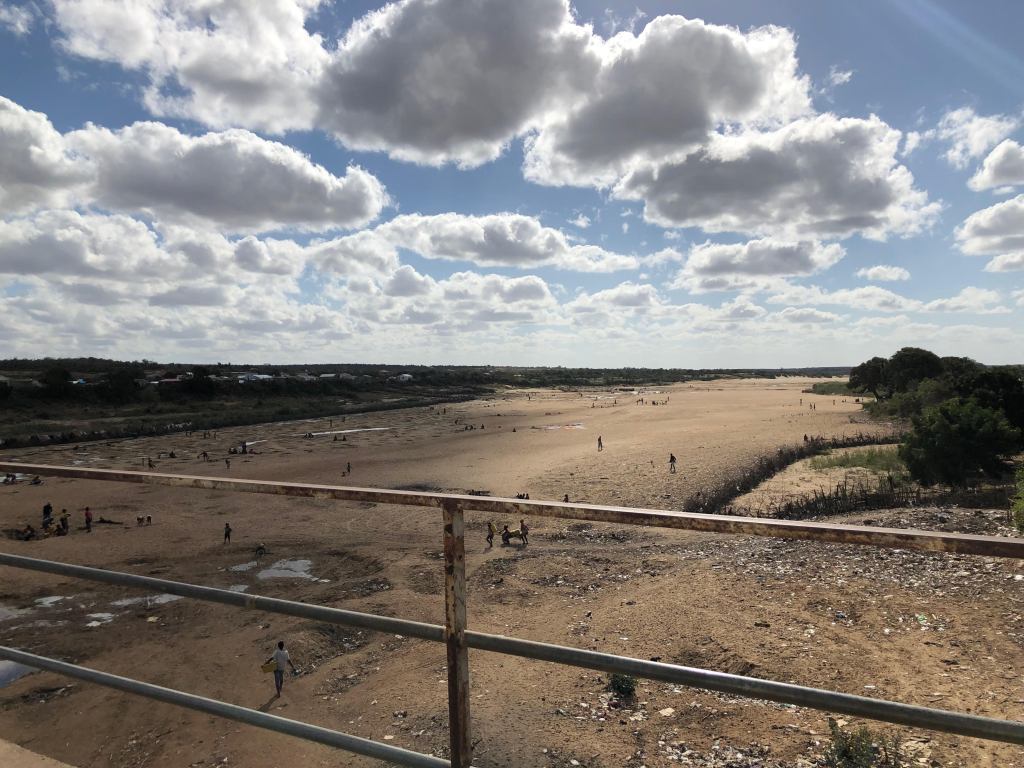
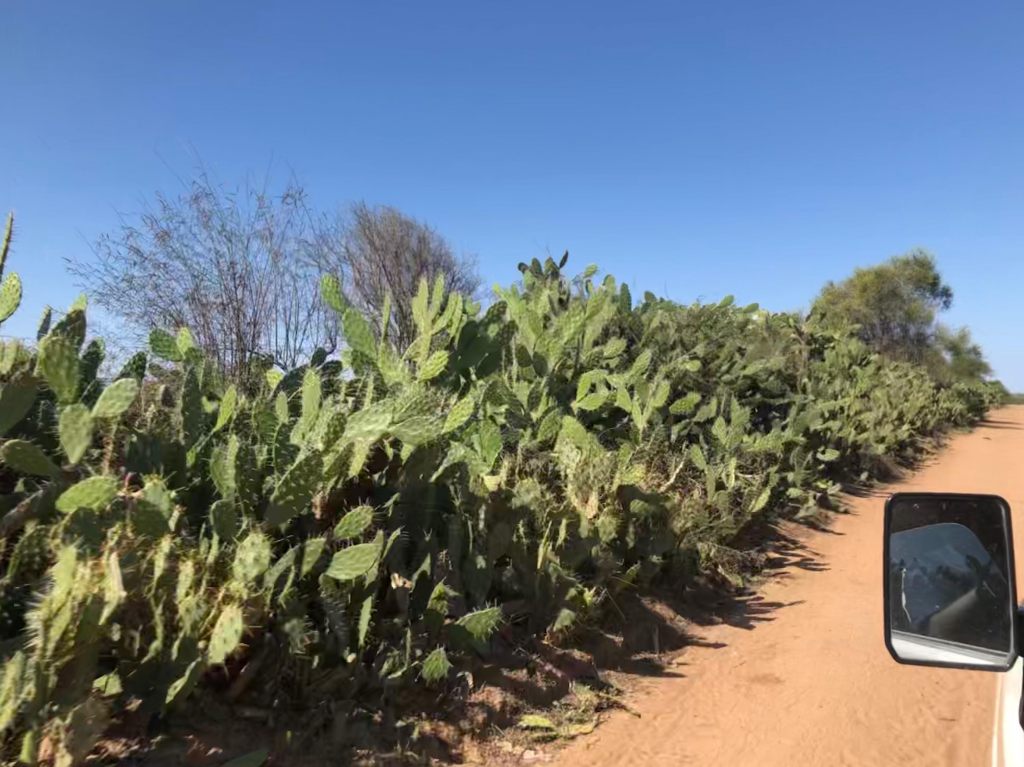
Beloha looks and feels like a little town that popped up in the middle of the desert. Walking down the street is quite literally treading through 6-inch sand. The native ground cover is cactus, which is prolific everywhere it hasn’t been cleared. From what I’ve gathered, there are four species that are edible here. Red cactus is blooming right now, the least desirable, and eaten by locals only when absolutely necessary. The landscape is also dotted with strange Dr. Seuss-looking plants, many of which are endemic to Madagascar, one of the most bio-diverse places on the planet.
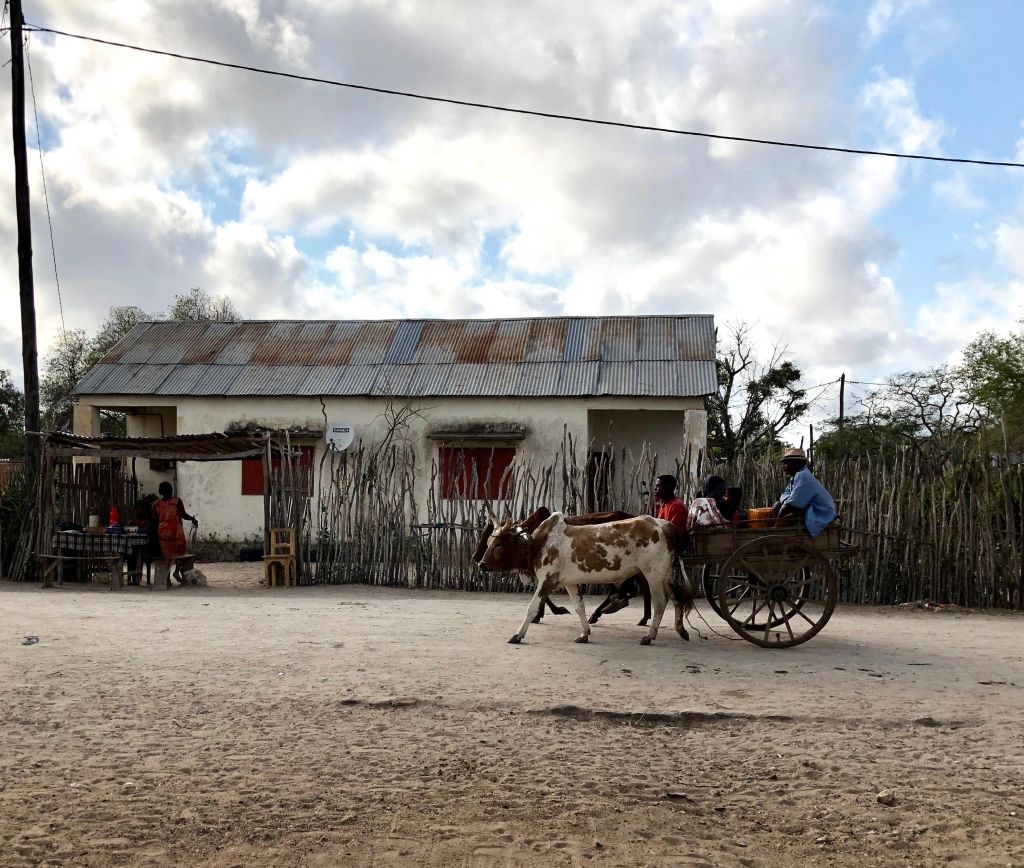
The lifestyle here is very different from the capital. A few people have motorcycles, but most walk, ride bicycles, or use carts pulled by zebu for transportation. Zebu are, and have always been, a huge part of the culture here in the south. In many places the roads have two tracks— one for car, one for cart. I’ve only seen a couple vehicles here not owned by an NGO. There is electricity in town, but it goes out for 6-12 hours a day. The streetlights currently don’t work, so when the sun sets it is truly dark and the stars are amazing.
The Catholic Relief Services (CRS) works in this region because it’s been in a major drought for the past 4-5 years, ranging from “stressed” to “emergency” state (IPC 2-4) depending on the time of year. CRS has projects focused on food, agriculture, hygiene, fishing, infrastructure, and more. The CRS workers I have met all work extremely hard and care about the quality of their work. Every day, staff members head “into the field” in jeeps, 4×4’s, and motorcycles to carry out certain aspects of their programs. A surprising number of employees make the long commute from Tana every few months. To generalize, these people are tough and bring an intensity to their work that allows CRS to have a major impact here.
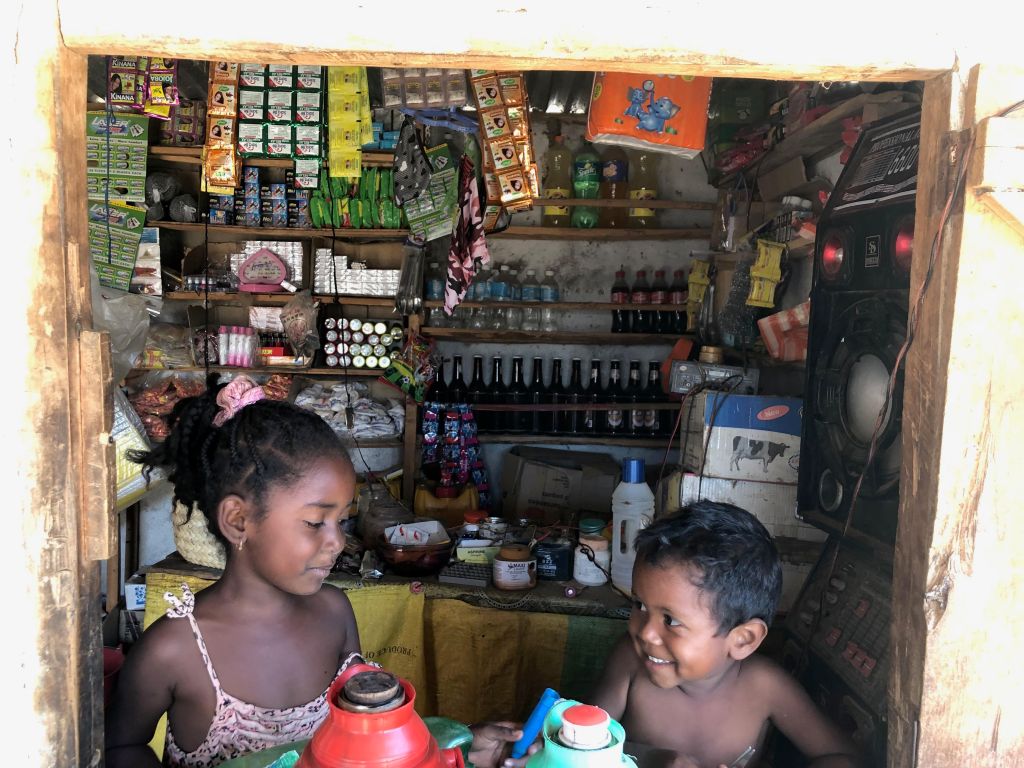
It’s fitting that I have to adapt my diet here, given what I am studying. There are staple foods (beans and rice), and certain vegetables (potatoes, tomatoes, cucumbers, carrots). If you want leafy greens you have to get it on Tuesday (market day), when these huge bus-wagons travel in with goods and vegetables. Fruit is scarce, but if you’re lucky you can find bananas, papaya, and an occasional “coer du boeuf.” The lack of water limits everything you can grow here. It’s been a huge adjustment for me to think of water as a finite substance I can run out of, even just for my personal use. I even get jugs delivered to my door, while outside Beloha people travel sizable distances to get to a water source.
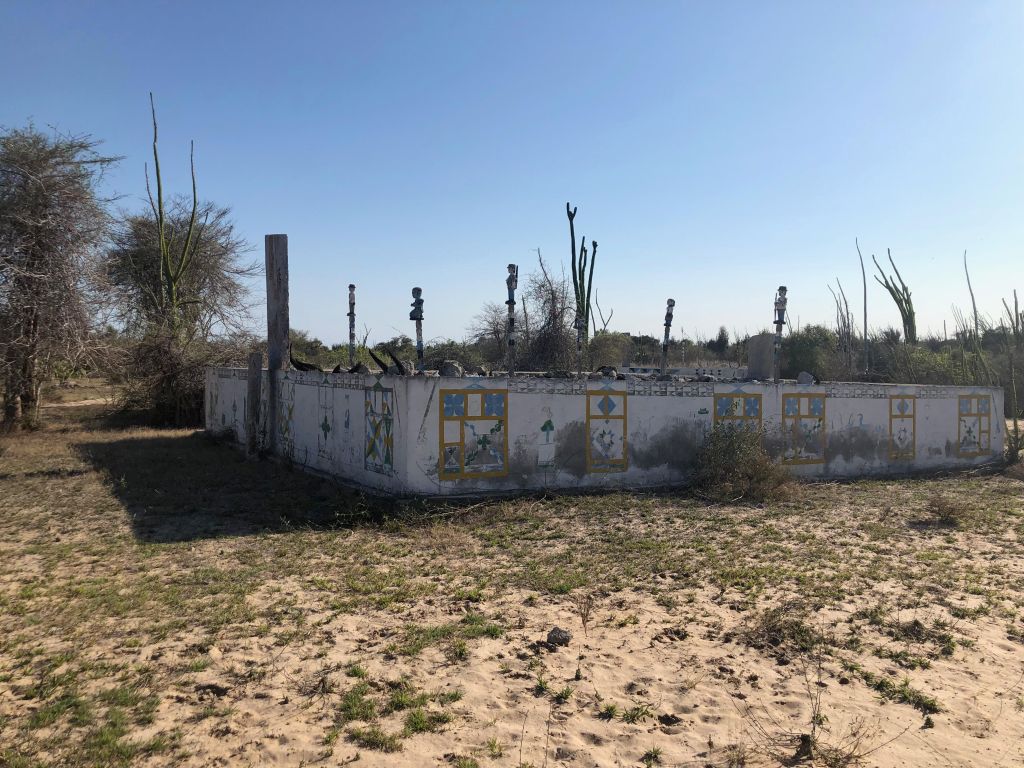
Between the cattle-pulled carts and lack of running water or internet, it really does feel like I’ve been transported back a century. Even though CRS runs at full speed, the pace outside is slow and calm. I’m living with Catholic sisters in their guesthouse, which makes me feel like Julie Andrews in Sound of Music. Some mornings the sisters feed people in need, so I often wake up to a small crowd in the courtyard. All in all, what an adventure it’s been already.
 foodnations.travel.blog